Senegal albino community calls for inclusion, support and end to stigmatization
By Mutiu Olawuyi
DAKAR, Senegal — The commemoration of World Albino Day in Senegal became more than a ceremonial gathering. It became a direct appeal for dignity, inclusion, protection and meaningful support for people living with albinism.
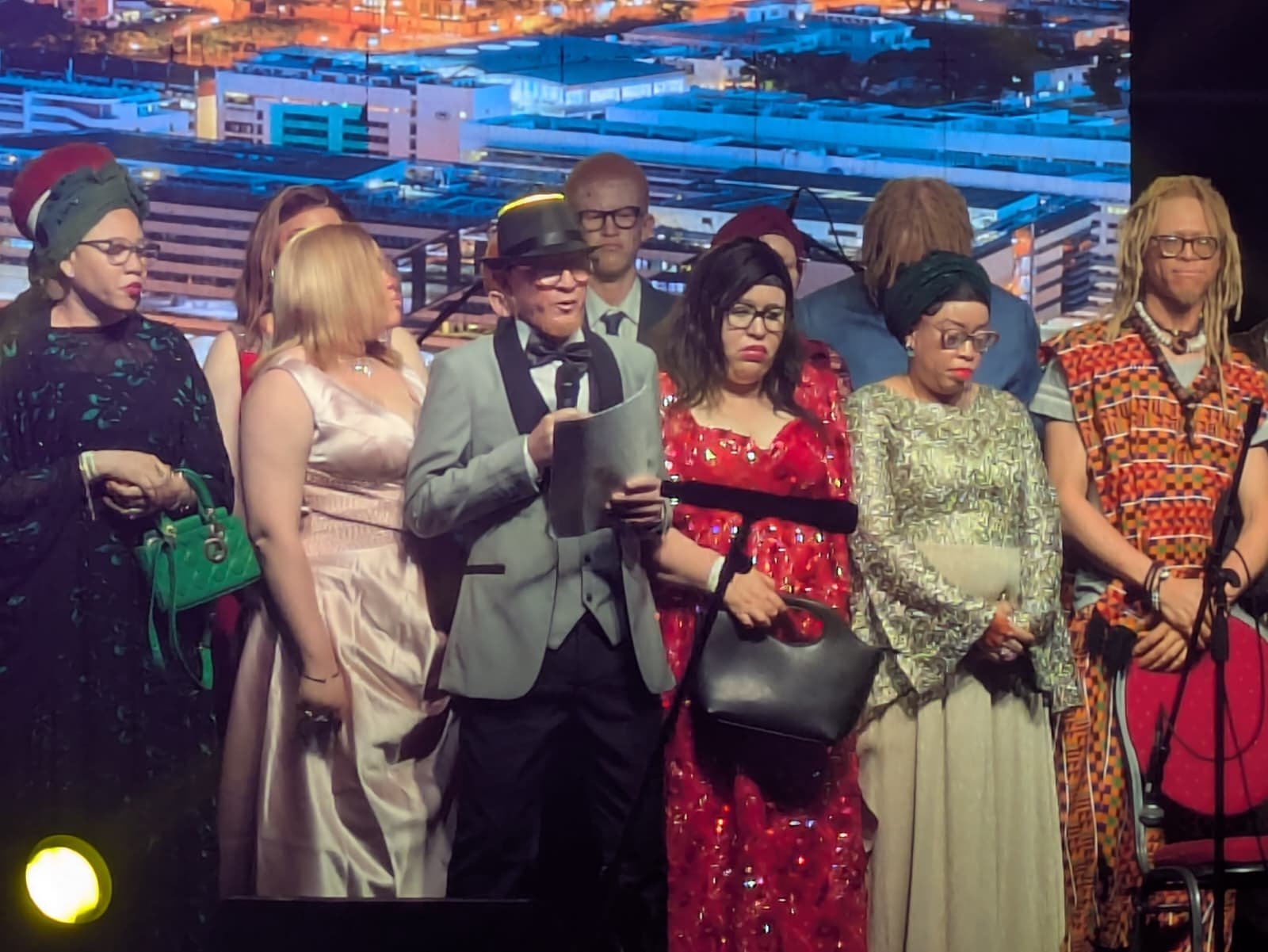
The event, which took place on June 13 at Azalai Hotel in Dakar, brought together members of the albino community, advocates, families, government representatives and supporters to reflect on the daily realities faced by persons with albinism in Senegal. Speakers called attention to social exclusion, limited economic opportunities, discrimination, harmful myths and the need for stronger support systems for people with albinism.
The chief organizer and president of the Foundation of People with Albinism in Senegal and Africa, popularly called FASA, Mouhamadou Bamba Diop, said the struggle of albinos must not be treated as a private burden carried only by families or associations. He called for stronger public support, social inclusion and financial aid to help the association implement empowerment projects for its members.
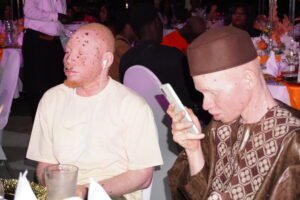 “We are not asking for pity. We are asking for inclusion, protection and opportunity,” Diop said. “People with albinism are citizens of this country. They deserve education, work, health care, social respect and the chance to live with dignity.”
Diop said the association has ideas and plans that could improve the lives of members, but limited financial resources continue to weaken its ability to execute meaningful programs. He appealed to government institutions, private organizations, development partners and individuals to support empowerment initiatives for albinos.
“Our association needs support to move from speeches to action,” he said. “We want to create projects that can empower our members, support their education, strengthen their livelihoods and help them participate fully in society.”
The event was also attended by Anta Ndiaye, a director at the Ministry of Family, Social Action and Solidarity, who represented the ministry. Ndiaye acknowledged the concerns raised by members of the albino community and emphasized the importance of continued institutional attention to inclusion, protection and social support.
Ndiaye said the presence of the ministry at the commemoration reflected the government’s recognition that persons with albinism must be treated as full members of society whose needs deserve public attention.
“The ministry is here to listen, to support and to continue working with communities so that persons with albinism are not left behind,” Ndiaye said. “Inclusion must not remain only in words. It must be reflected in access to services, protection, opportunity and respect.”
 Her remarks gave the event an important policy dimension. For many attendees, government presence mattered because the challenges faced by persons with albinism require more than sympathy. They require structured support, public education, access to health care, economic empowerment and stronger social protection.
World Albino Day is observed globally to raise awareness about the rights, challenges and contributions of people with albinism. In Senegal, the commemoration highlighted the fact that many persons with albinism still face barriers in education, employment, business, sports, social life and public participation.
For many attendees, the central message was clear: inclusion must become practical. It must show in schools, workplaces, markets, sports fields, public offices, health facilities and cultural spaces.
Mam Diarra Diallo, an albino businesswoman who attended the event, said people with albinism are capable of contributing to the economy but often lack access to support, funding and opportunities to scale their work.
“As a businesswoman, I do not want to remain small forever because society does not see my potential,” Diallo said. “We need inclusion in the workplace, in business and in socio-cultural affairs. We need government and society to see us as people who can build, lead and contribute.”
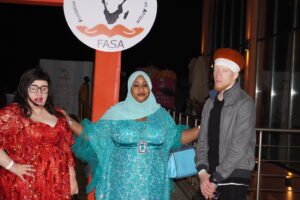 Diallo said business support for albino entrepreneurs remains limited, making it difficult for many to expand their activities, employ others or become financially independent.
“When an albino woman is doing business, she should not be left alone to struggle,” she said. “Support us with training, funding and visibility. If we are included, we will prove that we are not a burden. We are part of the solution.”
Her testimony reflected a wider concern among people with albinism: that discrimination is not always loud, but it is often present in silent exclusion, ignored talent and denied opportunity.
Another attendee, Muhamadou Falilou Diallo, a footballer, said persons with albinism also face barriers in sports and youth development. He said many albino youths have talent but are rarely given the platform, encouragement or protection needed to display their potential.
“I am a footballer, but the chances to show what I can do are very limited,” Falilou said. “People judge us before they see our ability. They look at our skin before they look at our talent.”
He also called on parents to support children with albinism from birth, saying early family acceptance can determine whether a child grows with confidence or shame.
“Support must begin from the first day a child with albinism comes into this world,” he said. “Parents should not hide their children. They should love them, protect them, educate them and give them courage.”
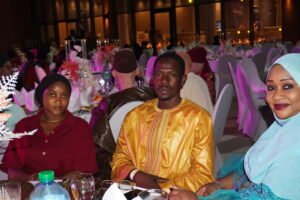
Falilou also spoke strongly against stigmatization and harmful mythical beliefs surrounding people with albinism. Across some communities, albinos still suffer from misconceptions that reduce them to objects of fear, ridicule or superstition.
“The myths against us must stop,” he said. “We are human beings. We are not strange creatures. We are not bad luck. We are people with dreams, talents and rights.”
The event created space for both pain and possibility. It exposed the weight of discrimination, but it also showed the strength of a community determined to be seen, heard and respected.
The call from Senegal’s albino community is not only about social sympathy. It is about rights. It is about access to health care, especially skin and eye care. It is about protection from sun exposure. It is about inclusive education. It is about equal employment. It is about business financing. It is about representation in media, sports, culture and leadership.
Persons with albinism face particular health risks, especially due to sensitivity to sunlight and vulnerability to skin damage. But many of the heaviest burdens they carry are social, not medical. Stigma, mockery, exclusion and lack of opportunity often hurt as deeply as any physical condition.
That is why the message of the commemoration matters. Senegal cannot build an inclusive society while leaving any group at the edge of dignity. The measure of national progress is not only how the majority lives, but how the most misunderstood citizens are protected, included and empowered.
Diop said the association will continue advocating for policies and partnerships that help albinos live with dignity.
 “We want a Senegal where every albino child can go to school without fear, every albino youth can dream without shame, and every albino adult can work, lead and live with respect,” he said.
The event ended with a shared appeal: government, civil society, families, schools, employers, sports institutions and media organizations must all play their part in ending stigma and creating opportunities.
For Mam Diarra Diallo, the way forward is practical inclusion.
“Do not just invite us to events,” she said. “Include us in decisions, in jobs, in business and in society.”
For Falilou, the dream is alive, active and rekindled.
“Give us the chance to show who we are,” he said. “When you give us opportunity, you will see our ability.”
The event tagged “Light of Hope” Gala Dinner ended with entertainment as some of the attendees danced to the rhythm of the musical band of Wally Seck.
About The Author