US Embassy hosts AI and fashion discussion with Fulbright specialist in Dakar
By Mutiu Olawuyi
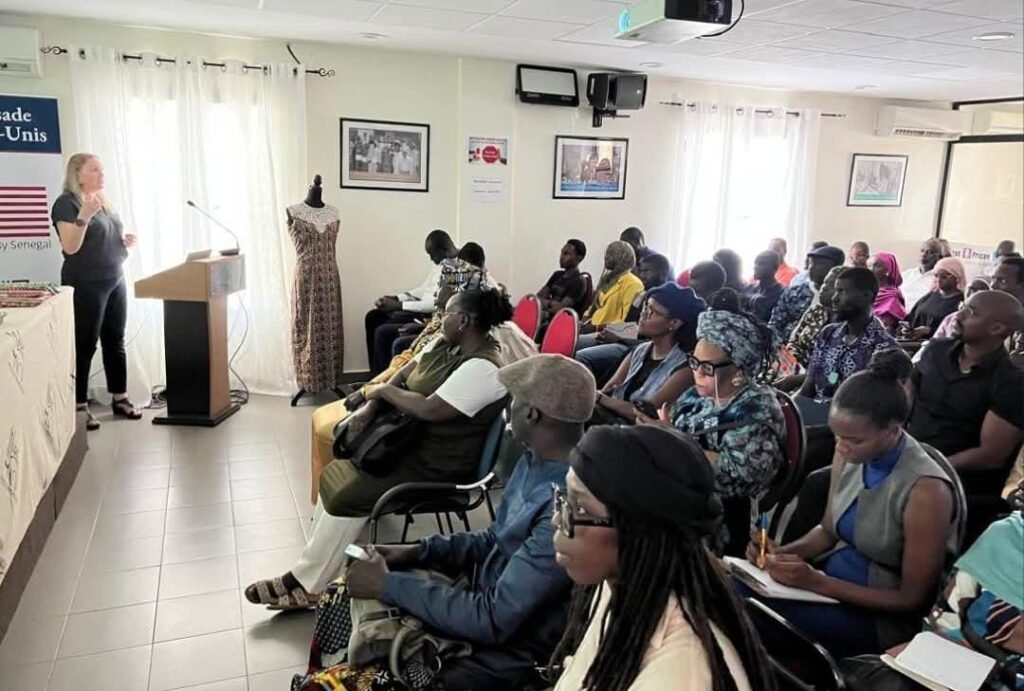
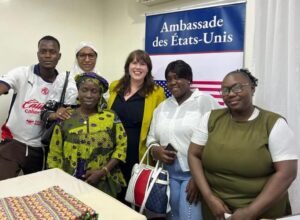
The U.S. Embassy in Senegal has hosted Christelle Scharff, a Fulbright Specialist and professor of computer science at Pace University, for a public discussion on the growing relationship between artificial intelligence and fashion.
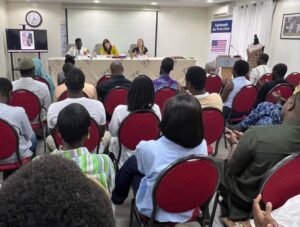
The event was held at the West African Research Center in Dakar and brought attention to how emerging technologies are reshaping creativity, design, production, marketing and customer engagement in the fashion industry.
 According to the embassy, artificial intelligence is transforming the fashion sector, with the United States playing a leading role in innovation across the value chain — from design and manufacturing to distribution, marketing and customer relationship management.
The discussion highlighted the increasing importance of technology in creative industries. For Senegal, where fashion, textiles, design, entrepreneurship and youth creativity already form an important part of cultural and economic life, the conversation opened a window into how AI can support innovation without erasing local identity.
AI tools can help designers test ideas faster, study consumer trends, improve inventory planning, reduce waste, personalize customer experience and strengthen digital marketing. But for Senegalese entrepreneurs, students and researchers, the deeper opportunity lies in adapting these tools to local realities, African aesthetics and sustainable production models.
The event also demonstrated the value of academic and technical exchange between the United States and Senegal. Through Fulbright programs and embassy-supported dialogues, American expertise can connect with Senegalese innovation in ways that encourage learning, collaboration and practical problem-solving.
 For young Senegalese designers and technology students, the meeting carried a timely message: the future of fashion will not belong only to those who can sew, sketch or sell, but also to those who understand data, digital platforms, AI tools and global markets.
However, as AI enters the fashion industry, inclusion must remain central. Technology should not widen the gap between large brands and small creators. Instead, it should help emerging designers, women entrepreneurs, students and local businesses access new tools, improve productivity and compete more confidently.
The discussion at WARC therefore went beyond fashion trends. It touched on the future of work, digital skills, cultural creativity and the need for Senegalese innovators to participate actively in the global technology economy.
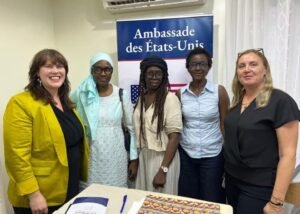 The U.S. Embassy said such exchanges underline the strength of American academic and technical expertise, while also creating opportunities for collaboration with Senegalese entrepreneurs, students and researchers exploring the future of technology and style.
As Senegal continues to build its digital and creative sectors, conversations linking AI and fashion can help prepare a new generation of innovators to protect culture, create jobs and compete in a changing global marketplace.
About The Author