Senegal hosts first International Congress on African Women’s Health
By Mutiu Olawuyi
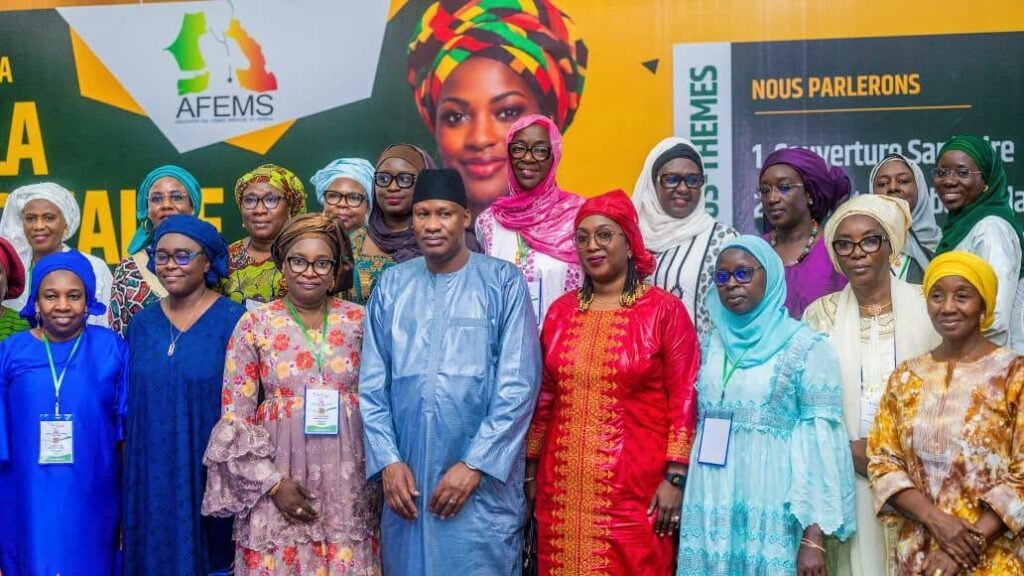
Senegal’s Minister of Health and Public Hygiene, Dr. Ibrahima Sy, has reaffirmed the government’s commitment to placing women’s health at the center of national health priorities, following the closing ceremony of the First International Congress on African Women’s Health.
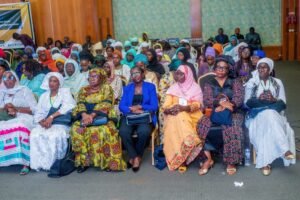
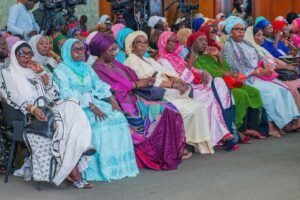
The congress, organized by the Association of Women Doctors of Senegal, known by its French acronym AFEMS, closed on June 19, 2026, after bringing together hundreds of health professionals, researchers, policymakers and advocates to discuss some of the most urgent health challenges facing African women.
Dr. Sy, who served as patron of the congress alongside First Lady Absa Faye, the event’s marraine, described the gathering as a major platform for scientific exchange, public health reflection and renewed commitment to women’s health.
“I had the honor of taking part, this June 19, 2026, in the closing ceremony of the First International Congress on African Women’s Health, organized by the Association of Women Doctors of Senegal,” Sy said.
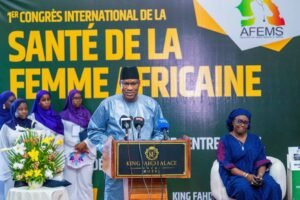 The congress recorded what Dr. Sy called a remarkable mobilization, with nearly 500 participants, 50 oral presentations and eight sessions and roundtables. He said the participation reflected the vitality of Senegal’s scientific community and the importance of the issues addressed during the event.
The discussions focused on key priorities, including universal health coverage, mental health, the fight against violence, noncommunicable diseases and women’s cancers. These themes highlighted the complex realities of women’s health across Africa, where medical needs are often linked to social, economic, cultural and institutional barriers.
For Senegal and the wider continent, the congress served as more than a scientific meeting. It became a call to treat women’s health as a foundation of family stability, community resilience and national development.
Dr. Sy said the Ministry of Health and Public Hygiene remains determined to support initiatives that reduce inequalities in access to care, strengthen prevention, support women doctors and place women’s health at the heart of public health priorities.
“On behalf of the Ministry of Health and Public Hygiene, I reaffirmed our determination to accompany initiatives that help reduce inequalities in access to care, strengthen prevention, support women doctors and place women’s health at the heart of our health priorities,” he said.
The focus on universal health coverage was particularly important. Across many African communities, women often carry the burden of family care while facing barriers to their own access to health services. Distance from health facilities, cost of care, lack of information, limited screening and social stigma continue to affect prevention, early diagnosis and treatment.
The attention given to mental health also marked a significant step. Women’s mental well-being is often overlooked despite pressures linked to family responsibility, poverty, violence, infertility, pregnancy, childbirth, grief, displacement and social expectations. Bringing mental health into a women’s health congress helps widen the understanding of care beyond physical treatment.
The discussions on violence against women also reinforced the need for health systems to work with justice institutions, social services, communities and families. Violence is not only a legal or social issue; it is also a health emergency that affects physical safety, mental well-being, reproductive health and the dignity of women and girls.
 Noncommunicable diseases and women’s cancers were also central to the congress. The inclusion of these issues reflected the growing need for stronger prevention, screening, early detection, treatment access and public education. Cervical cancer, breast cancer and other women’s health conditions require both medical investment and community awareness.
Dr. Sy praised Professor Fatou Samba Ndiaye, president of AFEMS, as well as the organizing and scientific committees, for the quality of the congress and their continued commitment to the health of African women.
“I extend my warm congratulations to Professor Fatou Samba Ndiaye, president of AFEMS, as well as to the organizing and scientific committees, for the quality of this congress and for their constant commitment to the health of African women,” he said.
The role of women doctors was one of the strongest messages of the gathering. By organizing a congress of this scale, AFEMS showed that women health professionals are not only caregivers but also leaders, researchers, advocates and policy contributors.
Supporting women doctors is therefore not a symbolic matter. It strengthens the health system itself. When women doctors are visible, supported and placed in leadership, they help improve trust, representation and responsiveness in health services that affect women and families.
The presence of First Lady Absa Faye as marraine also gave the congress national visibility and helped reinforce the message that women’s health is not a marginal concern. It is a public priority.
For Senegal, the congress comes at a time when the country is seeking to strengthen its health system, expand access to care and improve prevention. But success will depend on whether discussions from scientific meetings translate into policy, funding, community outreach and measurable improvements in women’s lives.
 The congress offered a practical roadmap: strengthen universal health coverage, invest in prevention, expand cancer screening, protect women from violence, take mental health seriously, support women doctors and reduce inequalities in access to care.
Dr. Sy said women’s health remains central to broader development.
“The health of women is a pillar of family health, the resilience of our health systems and the sustainable development of our nations,” he said.
That statement captured the deeper meaning of the congress. When women are healthy, families are stronger. When women have access to care, children are better protected. When women doctors are supported, health systems become more inclusive. When women’s cancers are detected early, lives are saved. When violence is prevented, communities become safer.
The First International Congress on African Women’s Health therefore closed not only with speeches and congratulations, but with a responsibility: to turn scientific exchange into public action, and public action into dignity, prevention and better care for African women.
About The Author