Fulbright Teacher Exchange strengthens English learning, classroom innovation in Senegal
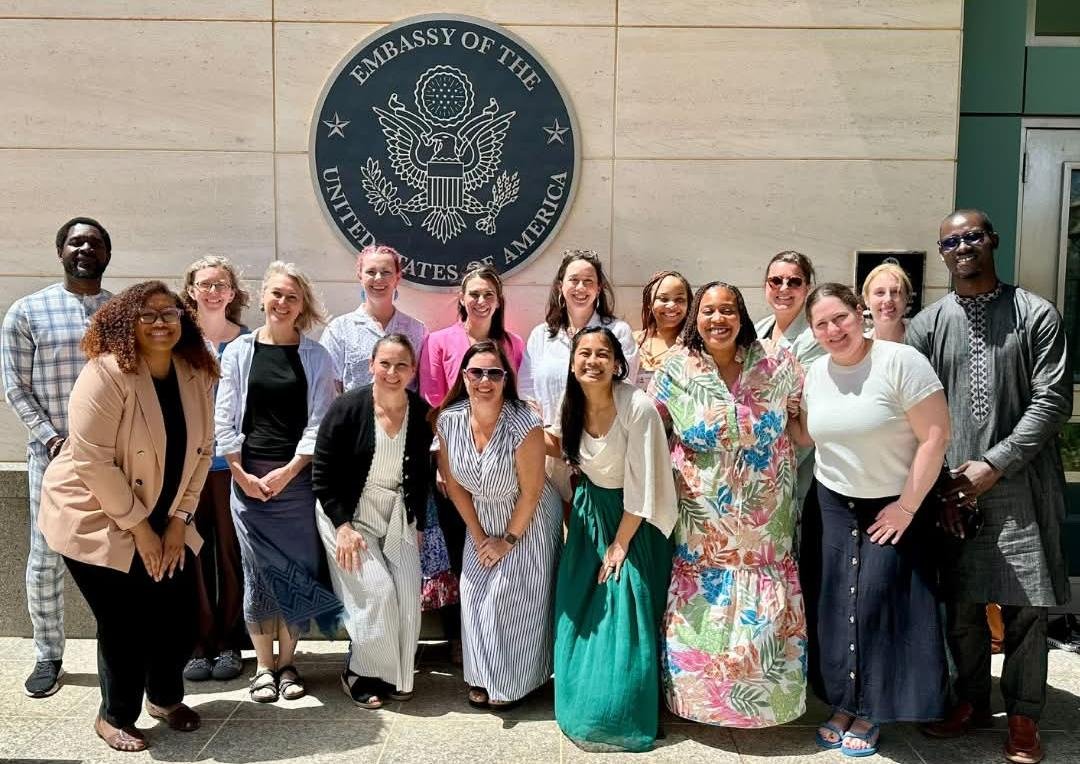
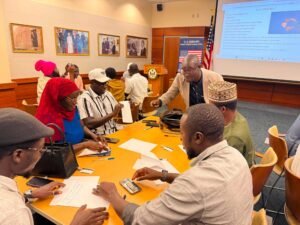
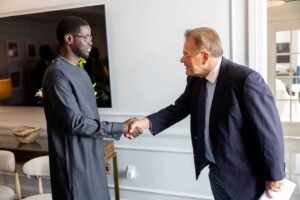
The U.S. Embassy in Senegal has welcomed a group of American teachers to the country under the Fulbright “Teachers for Global Classrooms” program, in a collaboration designed to deepen English learning, classroom innovation, and international educational partnership.
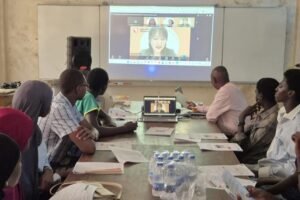
According to the embassy, the visiting teachers will work alongside Senegalese educators in Dakar, Thiès, Kaolack, and Saint-Louis, exchanging ideas and approaches aimed at strengthening English instruction and integrating technology into classroom practice.
The initiative highlights the growing importance of educational exchange as a bridge between countries. Beyond language acquisition, programs of this kind can help teachers share practical methods, expand students’ exposure to different teaching styles, and build confidence in both communication and digital learning.
For many schools, especially in a global environment increasingly shaped by technology and cross-border opportunity, partnerships like this can be valuable. They allow local educators to test new classroom strategies while helping students see English not only as a subject, but as a tool for connection, learning, and future opportunity.
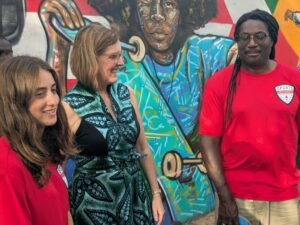
Public reaction to the program has been largely positive. Sophie Diouf, one of the local participants, praised the value of direct classroom engagement. She said, “I am glad to host Shannon and Joy. Their participation in classroom activities and cultural exchange was of great help in terms of language practice, especially in speaking skills.” She added that the visitors’ “teaching techniques and methods make my students more motivated and excited,” and expressed hope for a wider expansion of the initiative across the country.
Another citizen, Mbacke Niang, described the program as a meaningful step toward better quality education. He called it “a strong step toward enhancing English learning and integrating digital technologies” and congratulated the organizers for supporting the exchange.
At the same time, some reactions pointed to the need for broader inclusion. Mansour Dia welcomed the initiative but urged organizers to think beyond the main urban centers. “It’s a groundbreaking initiative,” he said, “but think about extending the program to remote regions like Matam. We are part of the deal.”
That comment reflects an important development challenge in Senegal: educational partnerships often begin in major cities, but their long-term value increases when more remote and underserved areas are included. If programs like this continue to expand, many educators will likely hope to see the benefits distributed more widely across the country.
In that sense, the Fulbright exchange is not only a diplomatic or academic exercise. It is also part of a broader conversation about educational equity, teacher development, and how global partnership can serve local classrooms in practical ways.
Chief Editor: Mutiu Olawuyi
About The Author