Senegal hosts regional CBRN security workshop with U.S. support
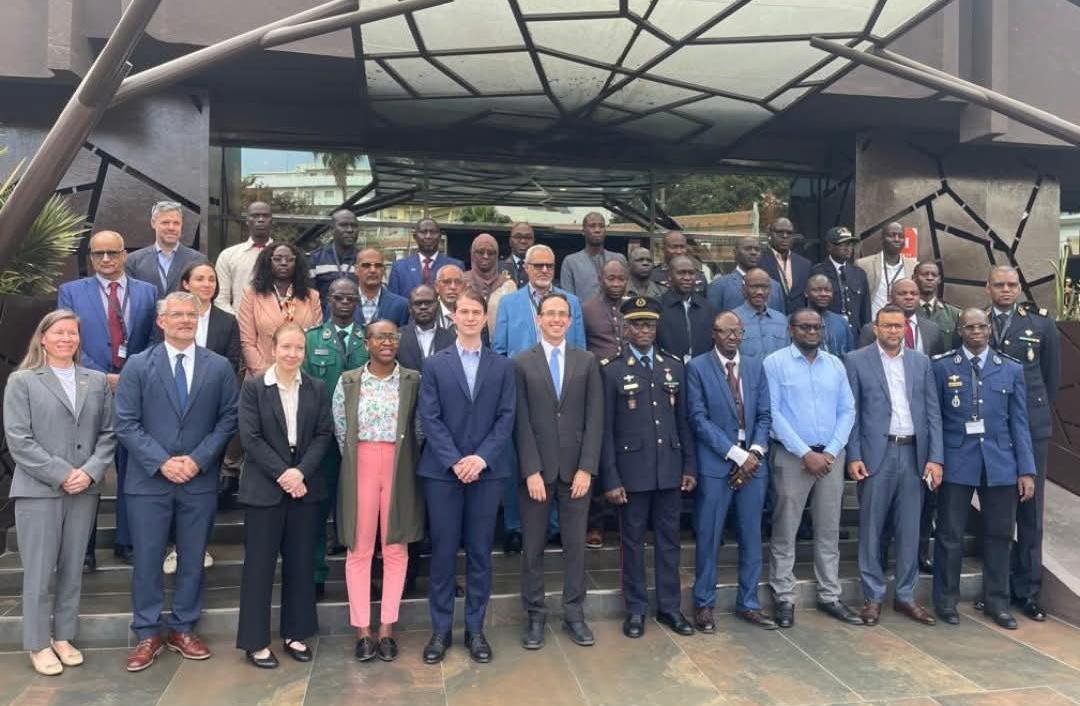
Senegal has hosted a multinational workshop on the management of chemical, biological, radiological and nuclear (CBRN) crises, bringing together regional partners in an effort to strengthen prevention, preparedness, and emergency response to complex security threats.
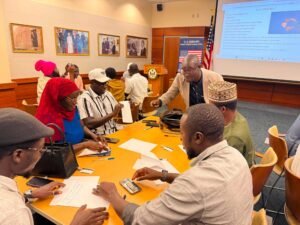
According to the U.S. Embassy in Senegal, the workshop was co-organized by the Senegalese Ministry of the Interior and the National Fire Brigade, with U.S. support. The programme included both technical discussions and a practical exercise aimed at improving participants’ ability to respond effectively to high-risk crisis scenarios.
Officials said the training brought together participants from The Gambia, Guinea, Côte d’Ivoire, Mauritania, and Sierra Leone, making it a significant regional platform for security cooperation and shared learning.
The workshop reflects a growing understanding that CBRN-related risks, whether linked to accidents, public emergencies, terrorism, or other destabilizing threats, require more than national readiness alone. They demand coordinated regional systems, trained responders, and trusted international partnerships.
For Senegal, the event also reinforced its position as an important regional actor in the field of civil protection and security coordination. By hosting and helping shape such initiatives, Dakar continues to strengthen its role not only as a national center of preparedness, but also as a convening space for West African cooperation on emerging threats.
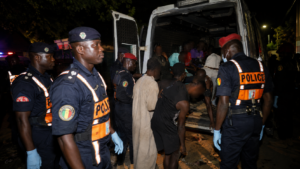
The practical exercise included in the workshop was especially important because crisis response capacity is built not only through theory, but through simulation, coordination, and repetition. Training of this kind helps emergency teams test procedures, improve communication, and identify weaknesses before a real-life incident occurs.
The event also highlighted the role of U.S.-Senegal security cooperation in supporting public protection and regional resilience. In a region facing evolving security challenges, such partnerships can help countries build stronger institutions, improve response mechanisms, and better protect civilian populations.
At its core, the workshop was about readiness; not for one country alone, but for a wider region whose safety is increasingly interconnected.
About The Author