African Education Observatory pushes data-driven reform and resilience in Dakar
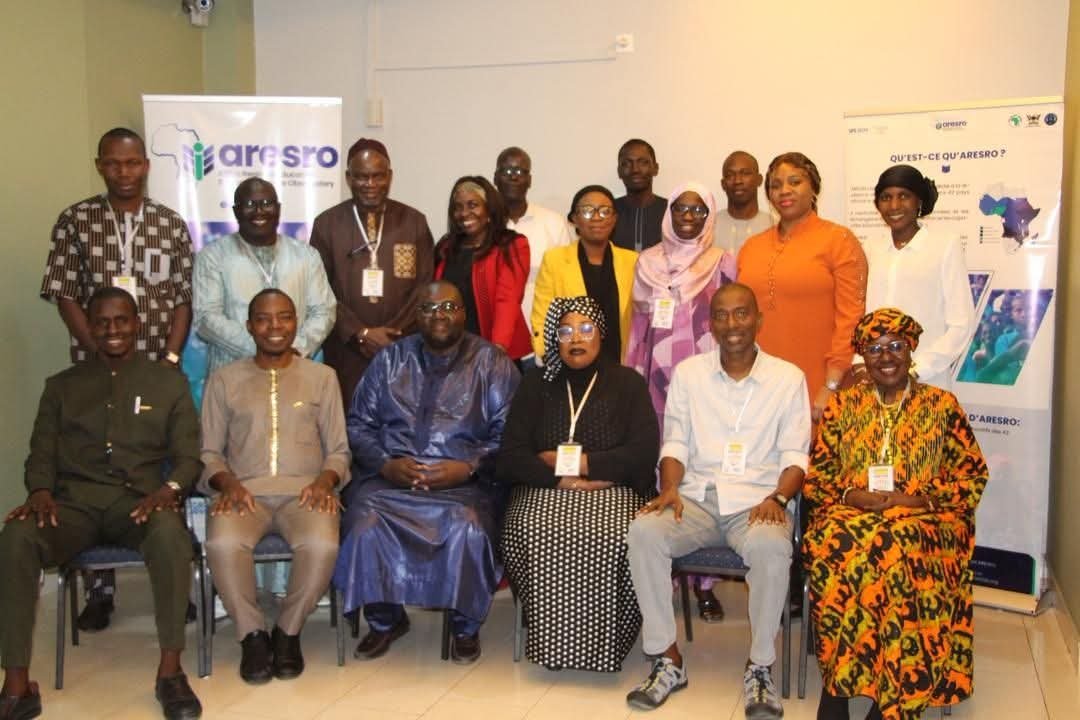
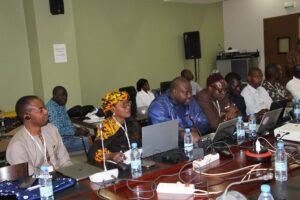
Education leaders and researchers in Senegal have renewed calls for stronger, data-driven education systems as officials and experts gathered around a regional initiative aimed at improving resilience, inclusion, and public policy across Africa’s education sector.
Representing the Minister of National Education, the Director of the National Institute for Study and Action for Education Development (INEADE) presided over the opening ceremony, signaling what organizers described as the government’s strong expectations for research-based reform and better preparedness in the face of recurring challenges.
A central message of the event was that education systems must move beyond reacting to crises one by one and instead develop a broader understanding of risk, planning, and long-term resilience. Professor Dramé Mamadou, principal researcher and assessor at the Faculty of Sciences and Technologies of Education and Training, stressed the importance of looking at threats more comprehensively in order to prepare for them more effectively.
At the heart of the discussion was a practical policy objective: building reliable data and documentation capable of guiding public decisions and sustainably improving education systems. In many African countries, reform efforts are often weakened not by lack of ambition alone, but by gaps in evidence, continuity, and institutional learning. That is why initiatives that strengthen observation, analysis, and knowledge-sharing are increasingly seen as essential.
 The event also highlighted the role of ARESRO, which has been deployed in 41 African countries and is presented as a strategic tool for education reform on the continent. Organizers said the observatory is one of six global regional observatories recognized under the Global Partnership for Education’s Resiliency Initiative, particularly through its knowledge-sharing and innovation program.
Its growing reach reflects a broader continental shift toward cooperation in education research and policy innovation. Rather than treating each country’s school challenges in isolation, such frameworks encourage African states and institutions to learn from one another, share evidence, and build stronger systems through collective knowledge.
The broader significance of the gathering lies in its vision of education not simply as classroom activity, but as a foundation of national resilience and development. More reliable systems, better policy guidance, and stronger institutional memory can help countries respond more effectively to future shocks while improving everyday learning conditions for students and teachers alike.
In that sense, the message from Dakar was clear: a more resilient African education future will depend not only on funding and infrastructure, but also on knowledge, coordination, and the intelligent use of evidence.
About The Author