Senegal’s new vocational training chief sets inclusive agenda
By Mutiu Olawuyi
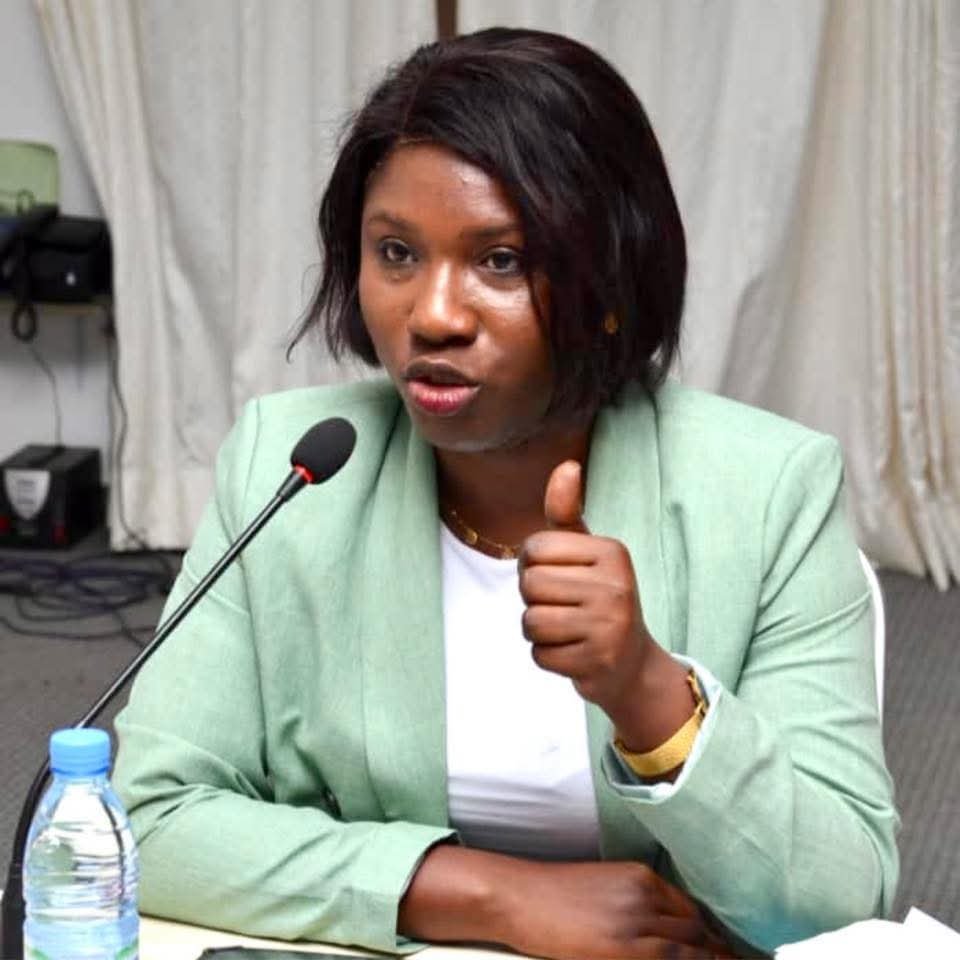
Newly appointed Director General of the National Office of Vocational Training (ONFP), Dr. Mame Awa Ndoye, has pledged to place skills development, youth employability, women’s empowerment and quality vocational training at the center of her leadership.
In a statement following her appointment, Dr. Ndoye expressed gratitude to President Bassirou Diomaye Faye and government authorities for what she described as the trust placed in her through the new responsibility.
“It is with deep gratitude, immense humility, and a high sense of responsibility that I accept my appointment as Director General of the National Office of Vocational Training,” she said.
Dr. Ndoye also thanked her family, colleagues, comrades, loved ones and supporters who accompanied her throughout her professional journey.
“This mark of trust further strengthens my commitment to serving our country with loyalty, humility, rigor, and dedication,” she said.
Her appointment comes at a time when vocational training is increasingly central to Senegal’s development agenda. With a young population seeking jobs, skills and pathways into productive work, institutions such as ONFP carry a strategic responsibility in connecting education to employment.
Dr. Ndoye said she fully understands the importance of the mission entrusted to her and will use her energy, expertise and determination to advance skills development, youth employability, women’s empowerment and stronger vocational training.
“At the head of the ONFP, I will put all my energy, expertise, and determination at the service of skill development, youth employability, women’s empowerment, and the strengthening of quality vocational training,” she said.
She added that her work would align with the vision of systemic transformation promoted by President Faye.
For Senegalese youth, vocational training is not simply an educational option. It can be a lifeline. In communities where unemployment, underemployment and informal work remain major challenges, practical skills can help young people access decent work, create businesses and contribute to local economic development.
For women, stronger vocational training can also expand access to income, leadership and independence. When training programs are designed with gender inclusion, childcare realities, market access and financing in mind, they can help women move from survival activity to sustainable enterprise.
Dr. Ndoye said the challenges ahead will require consultation, innovation, transparency, efficiency and a culture of results.
“I am convinced that the challenges ahead can only be met through an approach based on consultation, innovation, transparency, efficiency, and a culture of results,” she said.
That message is important. Senegal does not need vocational training that only produces certificates. It needs training that produces competence, employability, entrepreneurship, productivity and dignity.
To achieve that, ONFP will need strong collaboration with training centers, employers, local governments, women’s groups, youth organizations, industry actors and development partners. Training must be connected to real economic sectors, including agriculture, digital technology, construction, renewable energy, manufacturing, health support services, tourism, transport, crafts and the green economy.
Dr. Ndoye said she intends to work with all actors in vocational training to make ONFP “a strategic lever” for Senegal’s economic and social development.
“With all the actors in vocational training, we will work to make the ONFP a strategic lever in the service of the economic and social development of our country,” she said.
Her appeal for public support also reflected the national character of the assignment.
“I request the prayers, support, and accompaniment of all Senegalese women and men so that, in a spirit of unity and commitment, we can together contribute to building a competent, inclusive, and resolutely forward-looking human capital,” she said.
The task before the new ONFP leadership is substantial. Senegal’s vocational training system must respond to the needs of young people who want practical opportunities, employers who need skilled workers, women seeking economic empowerment and communities demanding visible development.
If guided by transparency, measurable results and inclusion, ONFP can become one of the country’s strongest tools for reducing unemployment and building national capacity.
Dr. Ndoye closed her statement with a prayer for guidance and for Senegal.
“May Allah guide us in this noble mission, grant us the wisdom, strength, and discernment necessary for its fulfillment, and bless Senegal sustainably,” she said.
About The Author