PASTEF stays out of cabinet as Faye moves to form new government
By Mutiu Olawuyi
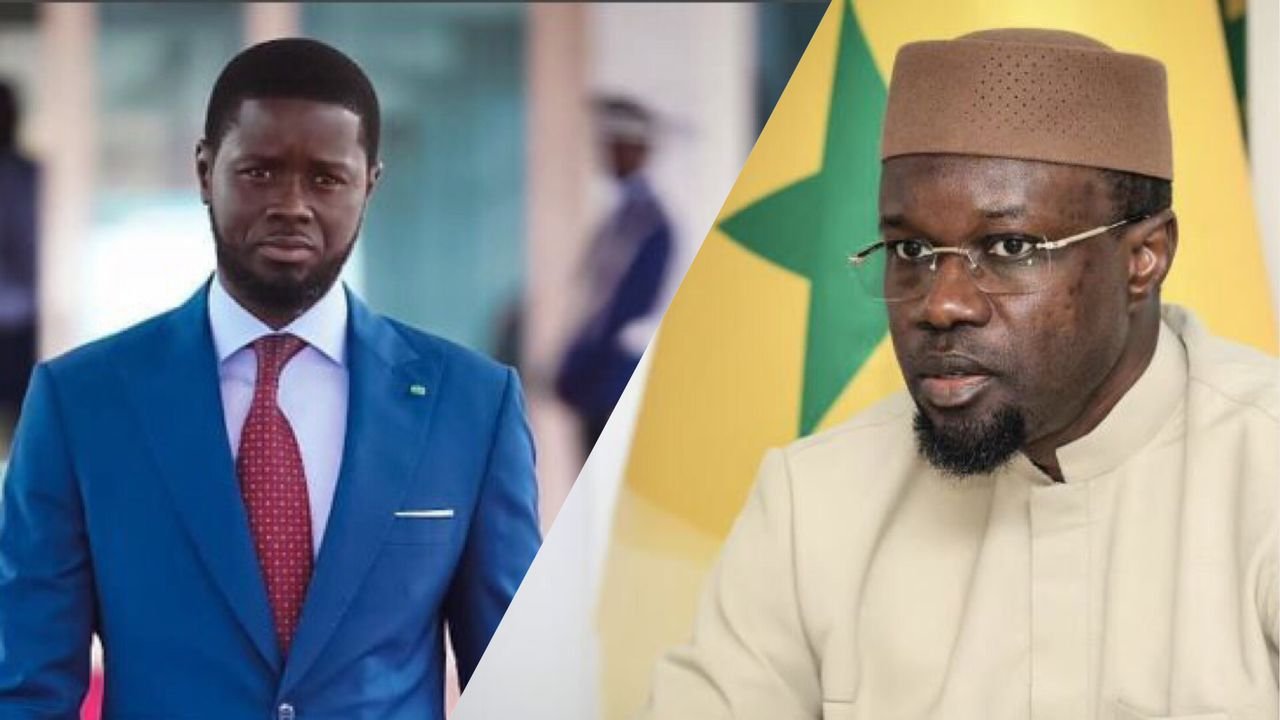
Senegal’s ruling party, PASTEF-Les Patriotes, has announced that it will not participate in the next government and will not be represented by any minister, following discussions with President Bassirou Diomaye Diakhar Faye on the formation of a new cabinet.
In a statement issued by the party’s Executive Committee, known as COMEX, on June 1, 2026, PASTEF said it had engaged in several exchanges with the President “in a spirit of responsibility” and in line with commitments previously reiterated by Ousmane Sonko, the party’s president and newly installed President of the National Assembly.
According to the statement, a lengthy meeting was held on Sunday morning between President Faye and Sonko. The party said the discussion confirmed areas of agreement, but also revealed major points of disagreement, especially regarding the place and role of the parliamentary majority within the executive.
PASTEF said it remained unclear about the structure of the new government, despite being the majority political force. After the meeting, Sonko reportedly returned to the party’s institutions for internal briefing, after which new proposals were submitted to President Faye.
The party said those proposals did not receive a favorable response.
“Therefore, PASTEF-Les Patriotes will not participate in the next government and will not be represented by any minister,” COMEX stated.
The announcement marks a major development in Senegal’s fast-moving political situation following the recent dismissal of Sonko as Prime Minister, the dissolution of the cabinet, and the appointment of Ahmadou Al Aminou Lo as the new Prime Minister.
It also deepens uncertainty over the relationship between President Faye, the new government, and PASTEF, the political movement that played a central role in the 2024 electoral victory.
PASTEF’s decision suggests that the party wants to separate its institutional identity from a government structure it says it did not fully shape or approve. At the same time, the statement’s closing line — wishing the new team success — leaves open the possibility of issue-based cooperation, even without ministerial representation.
For Senegal, the development creates a delicate governing equation. The country may now have a President and a new Prime Minister leading the executive, while the dominant party of the ruling movement remains outside the cabinet and holds significant influence in the National Assembly through Sonko’s leadership.
This arrangement could strengthen parliamentary oversight if managed responsibly. It could also create friction if political disagreements begin to slow reforms, budgetary decisions, or public service delivery.
The Senegalese public will now be watching closely to see whether the new government can function effectively without PASTEF ministers, and whether the party will support, scrutinize, or oppose government action from its position in parliament.
At a time when Senegal faces pressing concerns around cost of living, public finance, youth employment, institutional reform, debt management, security, and strategic economic contracts, citizens need clarity, stability, and responsible leadership from all sides.
The latest statement from PASTEF confirms that Senegal’s political transition has entered a new phase. The challenge now is to ensure that disagreement within the ruling political family does not weaken the state’s ability to serve citizens.
The coming days will be critical as the new government is expected to take shape and as PASTEF promises to provide further information on its position.
About The Author