DFC, IFRIA support Senegal cold-storage project
By Mutiu Olawuyi
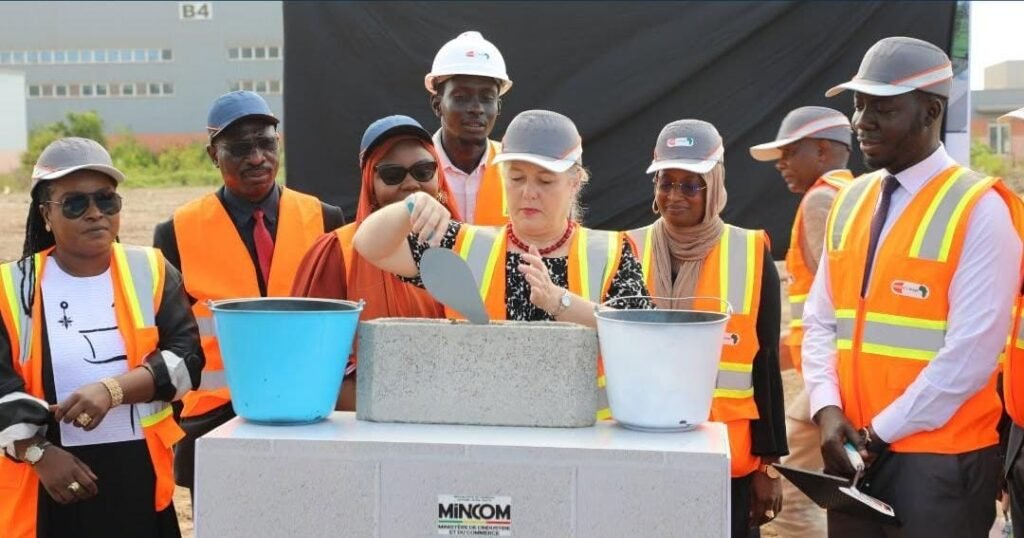
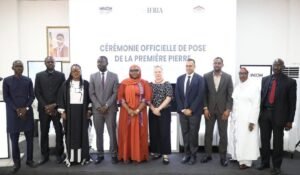
The United States Embassy in Senegal has participated in the groundbreaking ceremony for a new refrigerated warehouse designed to reduce post-harvest losses, strengthen food security and support Senegal’s ambition to become a regional logistics hub.
The project in Diamniadio is supported by the U.S. International Development Finance Corporation and its partner IFRIA, reflecting growing cooperation between the United States and Senegal in agricultural investment, trade and food supply-chain modernization.
According to the embassy, the facility will have a storage capacity of 10,000 pallets once completed and is expected to create more than 200 local jobs.
The project comes at a critical time for Senegal and the wider region, where farmers, traders and consumers continue to face challenges linked to food waste, limited cold storage, climate pressures and supply-chain inefficiencies.
 Refrigerated storage is not only an infrastructure investment. It is a practical food security tool. When farmers lose less produce after harvest, they can earn more. When businesses can store products safely, markets become more stable. When food supply chains are stronger, consumers benefit from better availability and potentially more reliable prices.
The U.S. Embassy said the project demonstrates the strength of the partnership between the United States and Senegal in agricultural investment and trade exchanges.
The investment also highlights how cold-chain infrastructure can help connect local production to larger markets. By reducing food waste, improving storage capacity and supporting reliable agricultural supply chains, the warehouse could serve Senegalese markets while also supporting potential exports across the region.
For farmers and agribusinesses, access to proper storage can determine whether crops reach consumers or are lost before sale. This is especially important for perishable products that require temperature-controlled handling to preserve quality and value.
The creation of more than 200 local jobs also gives the project a direct social and economic dimension. Beyond construction and warehouse operations, such investments can support transporters, suppliers, technicians, packaging services and other businesses connected to the agricultural value chain.
The embassy described the project as an example of how American capital can produce tangible results. In practical terms, the benefits will be judged by how effectively the warehouse supports farmers, reduces waste, strengthens trade and improves the resilience of Senegal’s food system.
For Senegal, the project fits into a wider development priority: building infrastructure that helps the country move from raw production to value-added agricultural logistics. A strong cold chain can help the country serve domestic demand, support regional trade and attract further private investment.
The success of the warehouse will depend on accessibility, fair pricing, professional management and strong links with farmers, cooperatives, traders and exporters. If small producers are included, the facility can become more than a commercial asset; it can become a bridge between rural production and modern markets.
The groundbreaking therefore marks more than the start of construction. It represents an investment in food security, job creation, agricultural competitiveness and Senegal’s role as a regional trade platform.
As Senegal continues to modernize its food supply system, partnerships that reduce post-harvest losses and strengthen logistics can help transform agriculture from a vulnerable sector into a stronger driver of inclusive economic growth.
Photo credit: US Embassy, Dakar
About The Author