Ousmane Sonko becomes Speaker of Senegal National Assembly after exit as PM
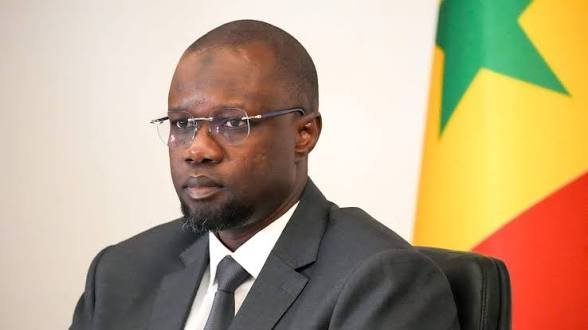
Former Senegalese Prime Minister Ousmane Sonko has been installed as the new Speaker of Senegal’s National Assembly, marking a major political development in the country’s fast-moving transition following his removal from the executive branch.
Sonko’s emergence as head of parliament places him at the center of legislative power only days after he left the position of Prime Minister. The development confirms that the leader of PASTEF remains one of Senegal’s most influential political actors, despite the recent government reshuffle ordered by President Bassirou Diomaye Diakhar Faye.
As Speaker of the National Assembly, Sonko will preside over parliamentary proceedings, guide legislative debates, oversee the work of the Assembly, and play a central role in shaping the relationship between parliament and the executive.
His installation comes at a sensitive period in Senegal’s political life. President Faye recently dismissed Sonko as Prime Minister, dissolved the government, and appointed economist Ahmadou Al Aminou Lo as the new head of government. The move triggered wide public debate about the future of the ruling movement, the direction of national reforms, and the balance of power within Senegal’s institutions.
Sonko’s new position now opens a different chapter. While he is no longer leading the government, he remains firmly positioned within the state structure. His leadership of parliament could either deepen political tension or strengthen institutional balance, depending on how the presidency, the new government, PASTEF, opposition parties, and lawmakers manage the moment.
The National Assembly is expected to play a critical role in the months ahead. Senegal faces pressing issues including economic recovery, public finance, youth employment, institutional reforms, national security, hydrocarbons, cybersecurity, and the implementation of the Senegal 2050 development agenda.
With Sonko at the head of parliament, the Assembly will likely become an even more active arena for national debate, government oversight, and legislative direction. For citizens, the priority will be whether this new arrangement produces better accountability, stronger policy discussion, and improved public service delivery.
Sonko’s installation also presents a major test of political maturity. His supporters will see the development as a sign of continued relevance and strength. His critics will watch closely to see whether he uses the office to promote institutional responsibility or partisan confrontation.
For President Faye, the moment also requires careful leadership. The executive must show that government business can move forward with discipline and clarity, even with Sonko now occupying one of the most powerful positions in the Republic.
Senegal’s democratic reputation has long rested on its ability to manage political tension through institutions rather than chaos. This latest development will again test that tradition.
The country now has a President seeking to reorganize government action, a new Prime Minister expected to deliver economic and administrative results, and a former Prime Minister leading the legislature. If handled with restraint, this arrangement could strengthen checks and balances. If mishandled, it could turn parliament into another battleground for political rivalry.
The responsibility now falls on all sides to place the public interest above personal or party calculations. Senegalese citizens need functioning institutions, serious debate, economic relief, credible reforms, and leaders who understand that national stability is larger than political competition.
Sonko’s installation as Speaker of the National Assembly confirms that his political journey has entered a new phase. The question now is whether this new role will help stabilize Senegal’s political environment, deepen accountability, and give parliament a stronger voice in addressing the real concerns of the people.
For Senegal, this is not merely a change of office. It is a test of leadership, discipline, and institutional confidence.
About The Author