New Gambia-Pakistan deal targets rice supply, trade growth
By Mutiu Olawuyi
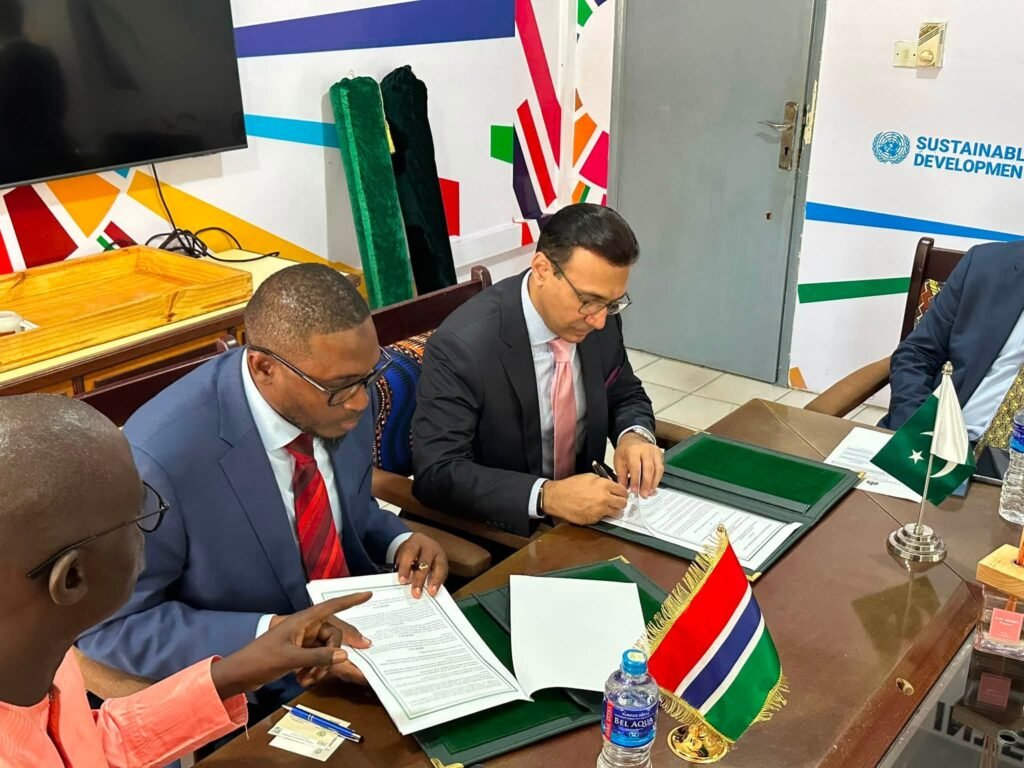
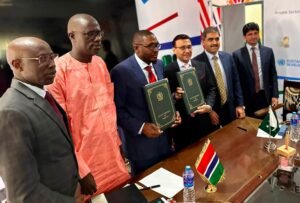
The Ministry of Trade, Industry, Regional Integration and Employment and the Trading Corporation of Pakistan have signed a landmark Memorandum of Understanding aimed at strengthening bilateral trade, improving food security and deepening economic cooperation between The Gambia and Pakistan.
The agreement, signed at the ministry in Banjul, is expected to improve The Gambia’s access to quality rice and other agricultural commodities through a government-to-government framework. It is also designed to create new commercial opportunities for businesses in both countries.
Opening the ceremony, the Director of Trade at the ministry described the signing as a significant milestone in the growing partnership between The Gambia and Pakistan. He said the agreement reflects the commitment of both countries to strengthen cooperation in agricultural commodity trade and ensure a reliable supply of essential food products.
 He explained that the partnership is intended to improve the supply of agricultural commodities, particularly rice, in order to support price stability, guarantee reliable market supplies and strengthen national food security.
Delivering the keynote remarks, the Permanent Secretary of the Ministry of Trade said the event went beyond a formal signing ceremony.
“Today’s event represents far more than the signing ceremony of a Memorandum of Understanding,” he said. “It reflects the strengthening of the longstanding friendship between the Republic of The Gambia and the Islamic Republic of Pakistan and demonstrates our shared commitment to expanding bilateral trade, promoting food security, and deepening economic cooperation for the mutual benefit of our two countries.”
The Permanent Secretary said food security remains one of the government’s highest development priorities, noting that rice is the main staple food for most Gambians.
As The Gambia continues to rely significantly on imports to meet domestic demand, he said ensuring a reliable, affordable and sustainable supply of rice is a matter of strategic national importance, especially amid global supply chain disruptions, climate-related pressures and rising price volatility.
“We therefore welcome this collaboration, which will provide Gambian businesses with greater access to quality rice and other agricultural products at preferential prices through a government-to-government framework,” he said.
According to him, the arrangement will help improve the availability and affordability of essential food commodities, enhance market stability and strengthen the national food supply chain.
The agreement is also expected to create commercial opportunities for the private sector, promote business-to-business partnerships and lay the foundation for expanded trade and investment relations between The Gambia and Pakistan.
The Permanent Secretary reaffirmed the government’s commitment to creating a stable environment for trade, investment and private sector development through strategic international partnerships that improve national competitiveness, support citizens’ welfare and promote sustainable economic growth.
He added that the MoU aligns with The Gambia’s national development priorities, particularly efforts to diversify sources of essential commodity supplies, strengthen supply chain resilience and build stronger commercial relationships with friendly nations.
The Permanent Secretary also highlighted the historical ties between the two countries, saying The Gambia and Pakistan share strong bonds as members of the Islamic Ummah and the Commonwealth of Nations.
 “We believe this partnership with Pakistan will not only support our food security objectives but will also open new avenues for cooperation in agriculture, manufacturing, trade facilitation and investment,” he said.
He urged both sides to treat the MoU as the beginning of a long-term strategic partnership founded on mutual trust, shared prosperity and common economic interests.
“We look forward to translating the commitments contained in this MoU into tangible outcomes that will benefit businesses, consumers and the people of both our countries,” he said.
Speaking on behalf of the Trading Corporation of Pakistan, the Head of Delegation thanked the Government and people of The Gambia for their hospitality and said Pakistan was committed to strengthening commercial relations between the two countries.
“We hope this MoU will contribute towards the welfare of the people of The Gambia and create a mutually beneficial commercial relationship between the trading community in The Gambia and the Trading Corporation of Pakistan,” he said.
He emphasized that Pakistan’s interest goes beyond exporting commodities to The Gambia.
“We are not only here to sell,” he said. “If there is anything we can contribute towards the welfare of the people of The Gambia by buying their products, we would also like to do that. We are supplying globally and would like to open opportunities for Gambian products in international markets.”
The Head of Delegation said the Trading Corporation of Pakistan already has trading partnerships across the Middle East and the Far East and is ready to explore opportunities to source products from The Gambia. Such cooperation could create new possibilities for Gambian farmers, producers and exporters.
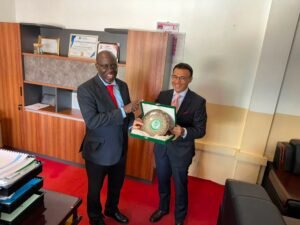 Following the signing ceremony, officials from both sides held discussions on implementation, including mechanisms for strengthening trade cooperation and building institutional capacity. The Pakistani delegation was also scheduled to pay a courtesy call on the Minister of Trade, Industry, Regional Integration and Employment to brief him on the outcome of the engagement.
The signing marks an important step in The Gambia’s efforts to diversify its sources of essential food commodities, stabilize staple food supply and expand strategic international trade partnerships.
For ordinary Gambians, the success of the agreement will be measured not only by diplomatic language, but by practical results: more reliable rice supply, better price stability, stronger private sector participation and new opportunities for local producers to access external markets.
If implemented with transparency, efficiency and private sector inclusion, the Gambia-Pakistan MoU could become a useful tool for food security, trade expansion and shared economic development.
About The Author