Gambian Embassy, New York community hold town hall to strengthen diaspora engagement
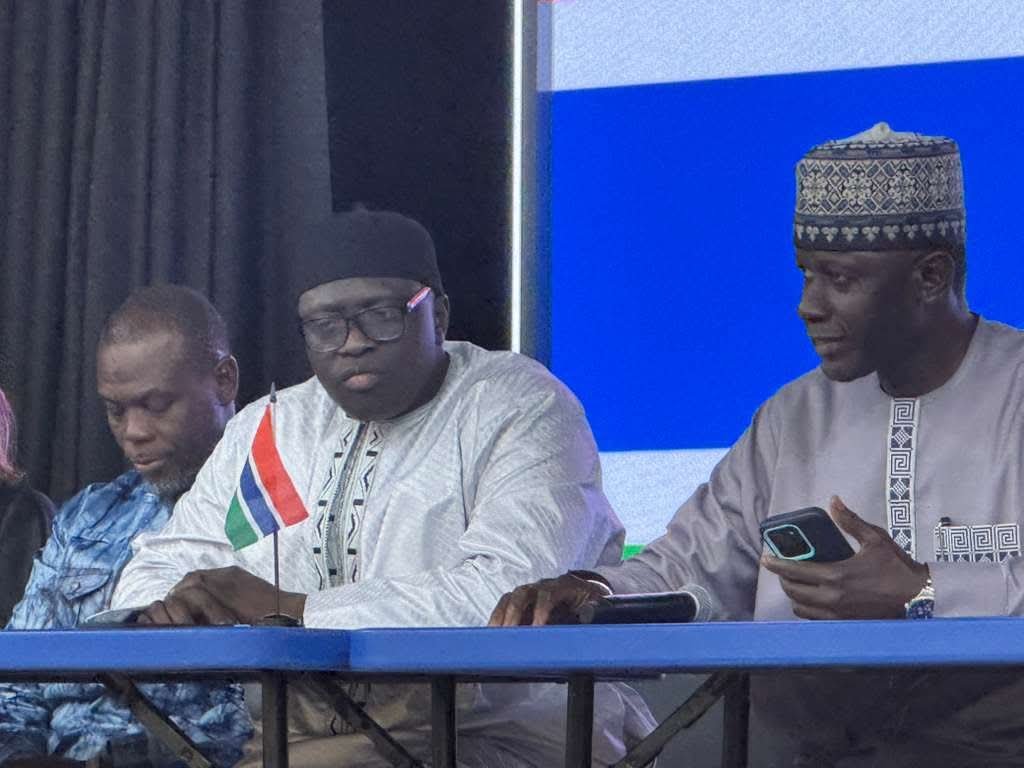
The Embassy of the Republic of The Gambia in Washington, D.C., and members of the Gambian community in New York have held a town hall meeting in the Bronx, on April 25, to strengthen relations between the Embassy and Gambians living in the United States.
The meeting focused on the government’s diaspora strategy, immigration and consular matters, diaspora welfare, and the role Gambians abroad can play in national development. The Embassy said the gathering was also intended to create a space for open exchange on issues affecting the well-being of the community, especially during what it described as a difficult period for many diaspora members.
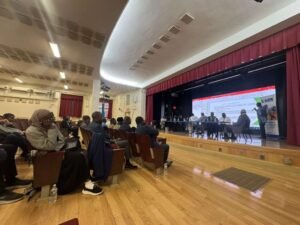 Speaking at the event, Ambassador Lamin Dibba, The Gambia’s Permanent Representative to the United Nations, welcomed the Embassy delegation and emphasized the importance of building stronger ties with Gambian communities abroad. He said such engagement helps deepen public understanding of government policies, strategies, and consular responsibilities, particularly at a time when diaspora communities face growing immigration and welfare concerns.
Delivering keynote remarks on behalf of Ambassador Momodou Lamin Bah, Deputy Head of Mission Gen. (Retd) Yakuba A. Drammeh reminded Gambians in New York that although they live far from home, their lives, conduct, and contributions remain connected to The Gambia.
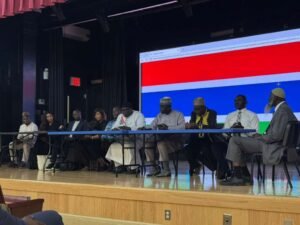 He urged Gambians abroad to see themselves not only as migrants seeking opportunities, but also as representatives of their country. According to the Embassy, Drammeh encouraged the community to uphold professionalism, integrity, and responsible conduct, noting that their behavior helps shape the international image of The Gambia.
As part of the programme, Mr. Saikou Ceesay, First Secretary at the Embassy, delivered a presentation on the Government Diaspora Strategy. He explained that the establishment of the Diaspora Directorate reflects the government’s effort to institutionalize diaspora affairs and recognize the role Gambians abroad play in the country’s political, social, and economic development.
Ceesay encouraged members of the community to register on the diaspora portal and participate in the diaspora mentorship programme, which allows Gambians abroad to support short-term skills transfer in government institutions. He also highlighted diaspora-targeted bonds launched in 2024 and the annual Diaspora Roundtable Conference, also known as the Stake in the Nation Forum, as platforms for structured engagement between the government and the diaspora.
The meeting also addressed immigration concerns. Ceesay urged Gambians, especially those on student and visitor visas, not to overstay their visas. He linked current U.S. visa restrictions affecting The Gambia to high overstay rates among student and visitor visa holders, which he said stood at 38 percent and 13 percent respectively.
On diaspora voting, Ceesay said consultations are ongoing between the government and relevant stakeholders under the Migration and Sustainable Development of The Gambia framework.
Mr. Ousman Lowe, Consular Officer at the Embassy, briefed participants on the services provided by the consular section. His presentation covered key documents issued by the Embassy, application processes, the new Consular ID Card, and immigration-related concerns raised by community members.
Speaking on behalf of the community, Mr. Bakary Camara thanked Drammeh and the delegation for visiting New York and engaging directly with Gambians there. He noted that New York is home to a diverse Gambian community and said members would continue to serve as good ambassadors of the country.
The town hall reflects a growing need for structured dialogue between Gambian institutions and citizens abroad. For many diaspora families, consular services, immigration clarity, voting rights, investment opportunities, and national development are not separate issues; they are connected to identity, belonging, responsibility, and trust.
By bringing government representatives and community members into the same room, the Bronx meeting offered a practical model for rebuilding confidence, clarifying concerns, and turning diaspora engagement into measurable contribution. For The Gambia, the challenge ahead will be to sustain this conversation beyond one meeting and ensure that Gambians abroad are treated not merely as remittance senders, but as partners in national development.
About The Author