Senegal launches Salémata health center after years of community appeals
By Mutiu Olawuyi |
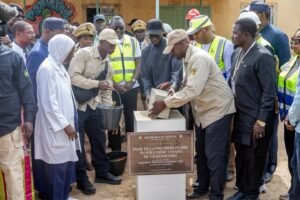
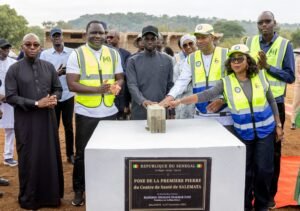
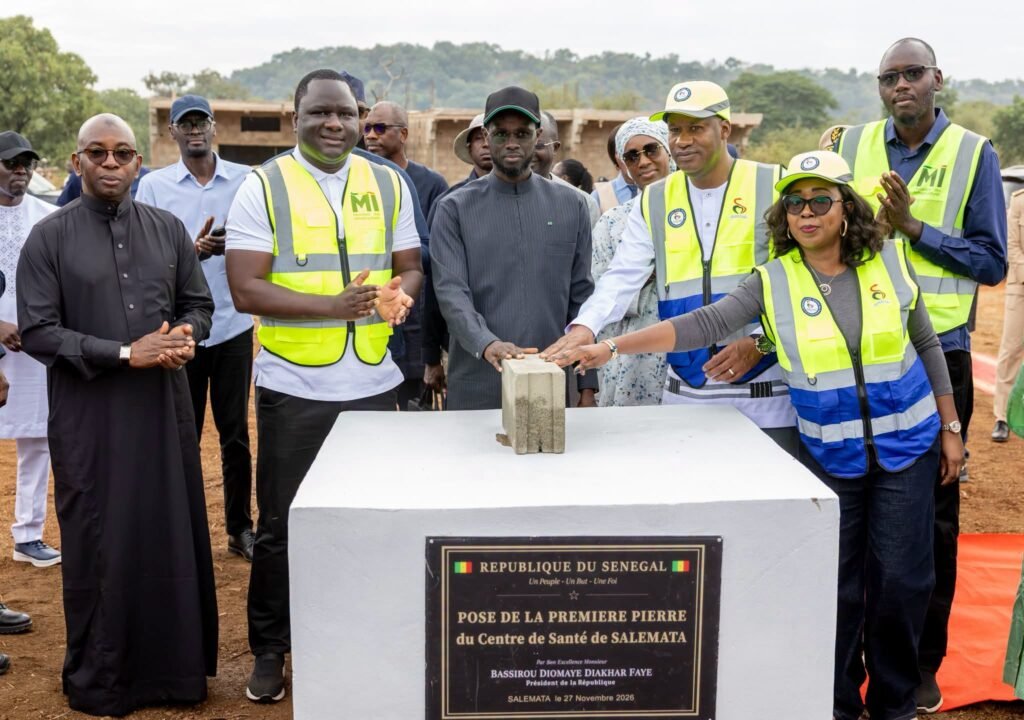
SALÉMATA, Senegal — After years of appeals for improved health care infrastructure, residents of Salémata are a step closer to accessing specialized medical services as President Bassirou Diomaye Faye launched construction of a 64-bed referral health center on Friday, Nov. 27, 2026.
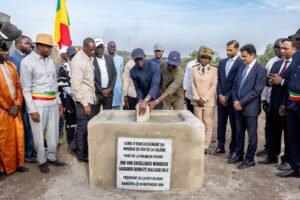
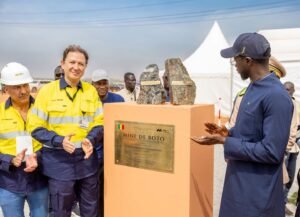
The groundbreaking ceremony opened the second day of the president’s economic tour of southeastern Senegal, following a series of major mining project ceremonies in the Kédougou region.
Fully financed by the Senegalese government, the health center will occupy two hectares and is expected to be completed within 18 months, according to the presidency.
The facility will include a polyclinic, an emergency department, an operating room, a maternity ward, radiology services, a laboratory and a pharmacy. Residential accommodations for health care personnel are also planned.
Bringing quality health care closer to communities
The project responds to a longstanding demand from residents of Salémata for improved access to medical services.
Once operational, the facility could reduce the need for patients to travel long distances for emergency treatment, surgical procedures, diagnostic services and maternal health care.
The inclusion of staff housing could also help attract and retain qualified medical professionals, addressing one of the persistent challenges associated with delivering health care in underserved areas.
However, the effectiveness of the center will depend not only on completing construction but also on providing adequate medical equipment, qualified personnel, affordable services and reliable supplies.
Connecting mineral wealth with human development
The groundbreaking follows President Faye’s visits to mining sites in Boto, Farangalia, Gamba-Gamba and Saraya, where major projects are expected to expand the region’s economic potential.
According to the presidency, the Salémata health center reflects the administration’s vision of ensuring that natural resource exploitation translates into improved living conditions for communities.
Under this approach, gold and iron extraction should contribute to broader development objectives, including better health care, education, water supplies and transportation infrastructure.
The simultaneous advancement of mining and social infrastructure projects offers an opportunity to address territorial inequalities and ensure that resource-producing communities benefit from economic development.
Nevertheless, transparent management of mining revenues and public expenditure will be essential to establishing a sustainable connection between mineral wealth and community welfare.
Turning a longstanding demand into lasting change
For Salémata residents, the groundbreaking represents progress toward addressing a need that has remained unmet for years.
Meeting the 18-month construction target, ensuring adequate staffing and maintaining affordable access to medical services will be important indicators of the project’s success.
Regular public updates on construction progress and operational preparations could also strengthen accountability and community confidence.
The ultimate measure of development in southeastern Senegal will not simply be the quantity of gold and iron extracted, but the lives saved, opportunities created and inequalities reduced.
For the people of Salémata, prosperity must be felt not only beneath the ground but also in the quality of care available above it.
About The Author