Senegal advances national strategy to protect persons with disabilities

By Mutiu Olawuyi
Senegal’s Directorate General of Social Action has opened a national technical validation workshop in Thiès for the country’s National Strategy for the Promotion and Protection of Persons With Disabilities, marking a decisive step toward a stronger rights-based framework for disability inclusion.
The three-day workshop in Thiès, held from July 29 to 31, 2026, is being chaired by Paul Joseph Ndiaye, Director General of Social Action.
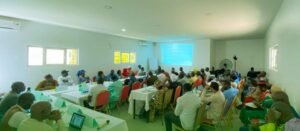 The process brings together public administrations, organizations of persons with disabilities, technical and financial partners, local authorities, experts and civil society actors. Their task is to review and consolidate the strategy before it moves toward institutional validation.
In his opening remarks, Ndiaye said the technical validation stage is an important step before the strategy is formally adopted. He noted that the document is intended to provide Senegal with a new strategic and technical reference framework for promoting the rights of persons with disabilities and strengthening their inclusion in all sectors of national life.
The strategy is the result of a participatory process that began with national consultations on disability and was enriched by field consultations and contributions from various stakeholders.
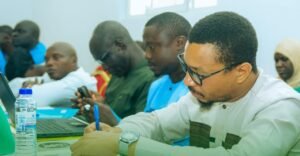 Its central ambition is to move Senegal from a charity-based approach to disability toward a rights-based model grounded in autonomy, dignity and full participation.
That shift matters. Persons with disabilities should not be seen only as beneficiaries of assistance. They are citizens with rights, skills, voices and contributions to make in education, work, public life, culture, entrepreneurship and national development.
For many families, disability inclusion is not an abstract policy issue. It affects access to schools, mobility, employment, health services, identity documents, social protection, public buildings, transport and community participation.
The Thiès workshop therefore carries practical importance. If properly finalized and implemented, the strategy can help strengthen coordination among institutions, improve service delivery and ensure that disability rights are reflected in national programs and local development plans.
During the three days, participants are expected to work toward a consensual version of the strategic document, one capable of supporting durable reforms for the benefit of persons with disabilities.
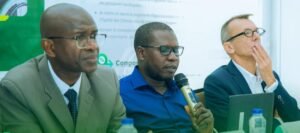 The Directorate General of Social Action said the process reaffirms its commitment to promoting innovative, participatory and inclusive social action so that every person with a disability can fully exercise their rights and contribute to national development.
The success of the strategy will ultimately depend on implementation. Senegal will need clear funding, measurable targets, accessible services, reliable data, trained social workers, stronger partnerships and sustained participation of organizations representing persons with disabilities.
The message from Thiès is clear: inclusion must move from promise to practice.
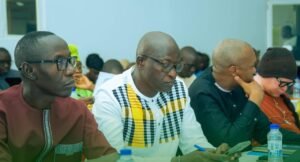 Building a more inclusive society means ensuring that persons with disabilities are not left outside classrooms, workplaces, public services or national decision-making. It means treating accessibility, dignity and participation as public responsibilities, not acts of generosity.
The technical validation workshop is therefore more than an administrative milestone. It is a national opportunity to strengthen justice, social cohesion and human development by making disability rights a lived reality for all.
About The Author