Kolda economic stakeholders press for access, investment, local transformation
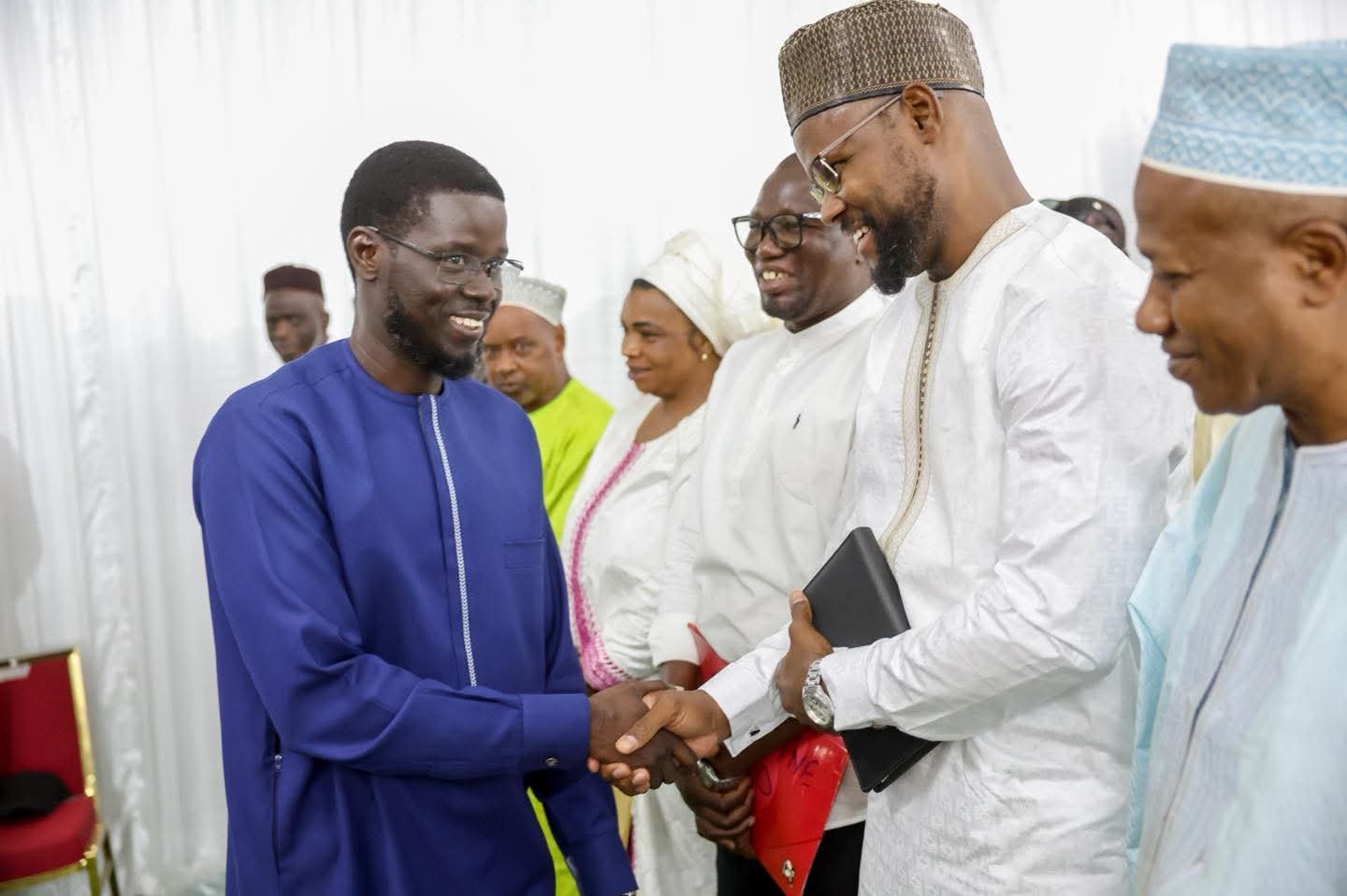
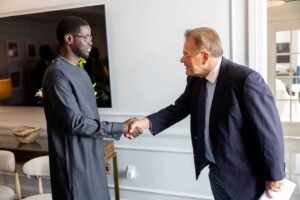
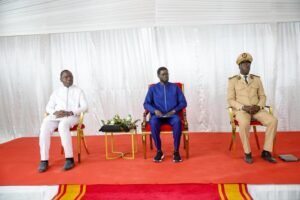
President Bassirou Diomaye Faye met Friday evening in Kolda with economic stakeholders from the region in a direct exchange centered on the practical realities of business activity, investment, and local value creation.
The meeting brought forward a wide range of development concerns that local actors consider critical to the future of Kolda and the wider south. Participants raised issues including the dredging of the river to improve access to land, the resumption of airport works to support business and tourism, the valorization of local historical heritage, access to financing, stronger agricultural processing and industrialization, the challenges facing farmers, the fight against bushfires through ecological vigilance committees, the training of youth and women, and the need for clearer land regulation.
Taken together, the interventions painted a picture of a region whose progress depends not only on natural potential, but on the removal of barriers that continue to slow initiative and investment. The underlying message was clear: development becomes real when producers can process locally, when entrepreneurs can invest with confidence, when transport and access improve, and when local resources generate local value instead of remaining underused.
During the exchange, President Faye emphasized the central role of private initiative and local production in national transformation. He said Senegal’s future would also be built with those closest to the realities of the territory, stressing that “the transformation of the country will also be built with those who produce, undertake, invest and create activity closest to local realities.”
That statement gave political weight to one of the strongest themes of the meeting: that territorial development cannot be imposed from a distance alone. It must be rooted in the knowledge, effort, and experience of farmers, processors, entrepreneurs, and local investors who already carry much of the region’s economic life.
The president also indicated that adapted support would be made available to farmers to help facilitate their activities, a point likely to resonate strongly in a region where agriculture remains both a livelihood base and a development priority.
 The significance of the meeting lies not simply in the concerns raised, but in the development logic it reinforced. Kolda’s future, as described by participants, depends on connecting infrastructure, agriculture, heritage, training, and financing into a more coherent territorial growth strategy.
In that sense, the meeting went beyond listing demands. It helped identify the kinds of blockages that must be addressed if Kolda is to move from promise to stronger productivity, deeper local transformation, and broader opportunity for its people.
For the south, the challenge now is implementation: turning dialogue into practical follow-through, linking potential to investment, and ensuring that growth is rooted in the real needs and capacities of the territory.
About The Author