Gambia: Credential allegations against Darbo spark media ethics debate, flaw Daily Observer
By Mutiu Olawuyi
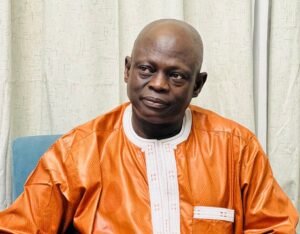
The National Unity Party has issued a statement defending Dr. Lamin J. Darbo against what it described as unverified allegations concerning his academic credentials, reportedly published under a pseudonym in the Daily Observer.
In a statement shared publicly, the party said the allegations were made without verification, inquiry or direct contact with Darbo.
The party accused the publication of violating basic journalistic ethics by publishing claims under what it described as a false name and without giving Darbo an opportunity to respond.
“This statement is issued in response to recent unverified allegations published under a pseudonym in the Daily Observer concerning the academic credentials of Dr. Lamin J. Darbo,” the party said.
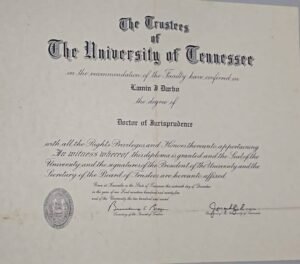
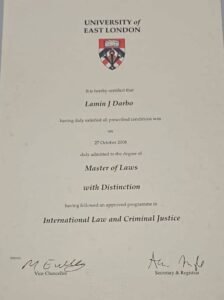
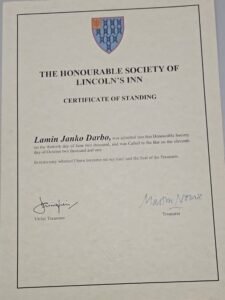
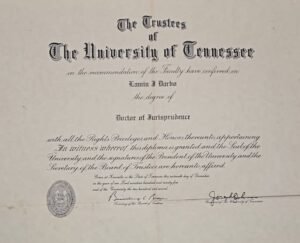
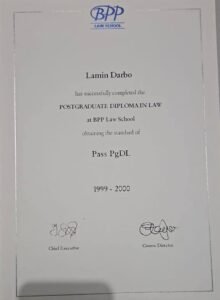
According to the statement, the National Unity Party has released documentary evidence it says confirms Darbo’s academic and professional qualifications.
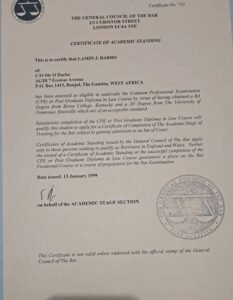
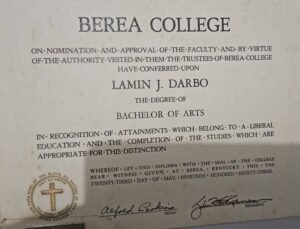
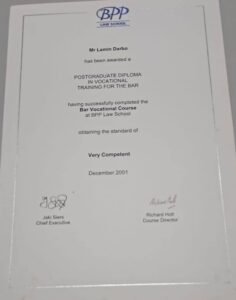
The party listed several documents, including a Doctor of Jurisprudence from the University of Tennessee, a Bachelor of Arts from Berea College, a Certificate of Academic Standing from the General Council of the Bar of England and Wales, a Postgraduate Diploma in Law and Bar Vocational Course from BPP Law School, a Call to the Bar at Lincoln’s Inn, and a Master of Laws with Distinction from the University of East London.
“These documents include his Doctor of Jurisprudence, his Bachelor of Arts, his Certificate of Academic Standing, his Postgraduate Diploma in Law and Bar Vocational Course, his Call to the Bar, and his Master of Laws with Distinction,” the statement said.
The party said each document is “stamped, sealed, dated, and authenticated” by the relevant issuing institutions.
It further argued that the records confirm Darbo’s qualifications as legitimate, distinguished and internationally recognized.
The statement also said Darbo has never publicly claimed the title “Dr.” or sought to parade his credentials, adding that those close to him have used the title “accurately and respectfully.”
The National Unity Party criticized the Daily Observer for allegedly failing to contact Darbo for verification, relying on selective quotation and misinterpretation, and ignoring what it described as publicly available information and prior publications.
“This conduct falls far below the standards expected of responsible journalism,” the party said.
It called on the Daily Observer to correct the record and uphold professional ethical standards.
“The evidence is now public. The truth is clear. The allegations have collapsed,” the statement concluded.
 The controversy raises broader questions about media ethics, political accountability and the handling of reputation in public life. Academic and professional credentials are legitimate matters of public interest, especially for political figures and public leaders. However, such scrutiny must be guided by evidence, verification, fairness and right of reply.
Responsible journalism requires that serious allegations be checked before publication. When a person’s integrity, professional history or academic standing is questioned, the subject of the allegation should be contacted and given a fair opportunity to respond.
At the same time, public figures and political parties also carry a responsibility to respond with transparency. If documentary evidence has been released, it should be made accessible for independent review so that the public can judge the matter on facts rather than partisan claims or anonymous accusations.
The dispute should therefore not become only a political exchange between supporters and critics. It should become an opportunity to strengthen public standards: media houses must verify before publishing, political actors must disclose when challenged, and citizens should demand evidence before accepting damaging claims.
In a democracy, scrutiny is necessary. But scrutiny without fairness can become character assassination. Likewise, political defense without documentation can deepen suspicion. The public interest is best served when facts are placed above rumor, and accountability is pursued without malice.
The National Unity Party’s statement now places the burden on the Daily Observer to clarify its reporting process, respond to the evidence presented and correct any errors if the allegations cannot be substantiated.
For The Gambia’s public space, the lesson is clear: journalism must be courageous, but it must also be accurate. Political debate must be robust, but it must not destroy reputations without proof.
About The Author