American Center Dakar Amplifies Young Voices Through Speaking Arts Competition
By Mutiu Olawuyi
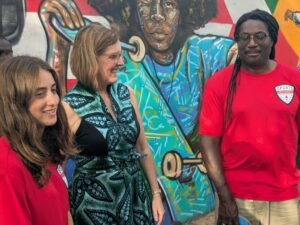
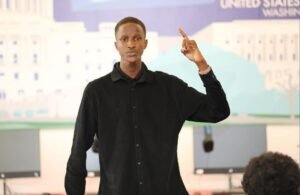
The American Center Dakar, managed by the United States Embassy in Dakar, recently hosted a full house for its annual “Raising Our Voices” speaking arts competition, bringing together participants who explored key moments in American history through speech, poetry, and public performance.
According to the event organizers, contestants selected landmark speeches and poems spanning 250 years of U.S. history, ranging from Patrick Henry’s 1776 call for independence to Dr. Martin Luther King Jr.’s final public address in 1968. Participants then reinterpreted those texts through spoken-word performance and oral delivery in English.
The event, which took place on Wednesday, April 8, highlighted more than eloquence alone. By engaging deeply with historically significant words, participants were also exposed to the broader values, struggles, and cultural moments that shaped the United States. In that sense, the competition served not only as a language exercise, but also as a platform for civic learning, leadership development, and cultural exchange.
 r
r
Organizers said the programme helped participants strengthen their oratory skills, improve their English fluency, and gain confidence in public speaking. Such spaces matter because they give young people an opportunity to use language not merely as a school subject, but as a tool for expression, reflection, and influence.
The event also underscored the growing relevance of speaking arts in education and youth development. In a time when many young people are searching for platforms to express ideas, debate issues, and build confidence, competitions of this kind can nurture both intellectual curiosity and personal growth.
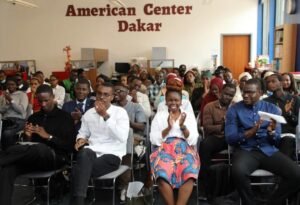
Leadership of the Center and the US Embassy in Dakar congratulated all participants who took the stage and gave special recognition to Ibrahima Ba, who won first prize.
For many in attendance, the occasion was not simply about competition. It was a reminder that history can be learned not only by reading it, but also by speaking it, interpreting it, and allowing its lessons to resonate in new voices.
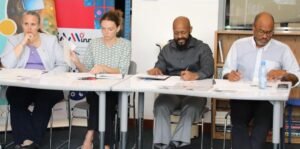
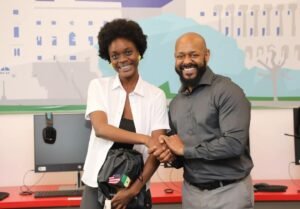
Photo credit: US Embassy Dakar
About The Author