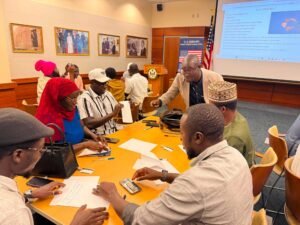
U.S. Embassy hosts AI discussion in Dakar as Senegalese audiences explore future of technology
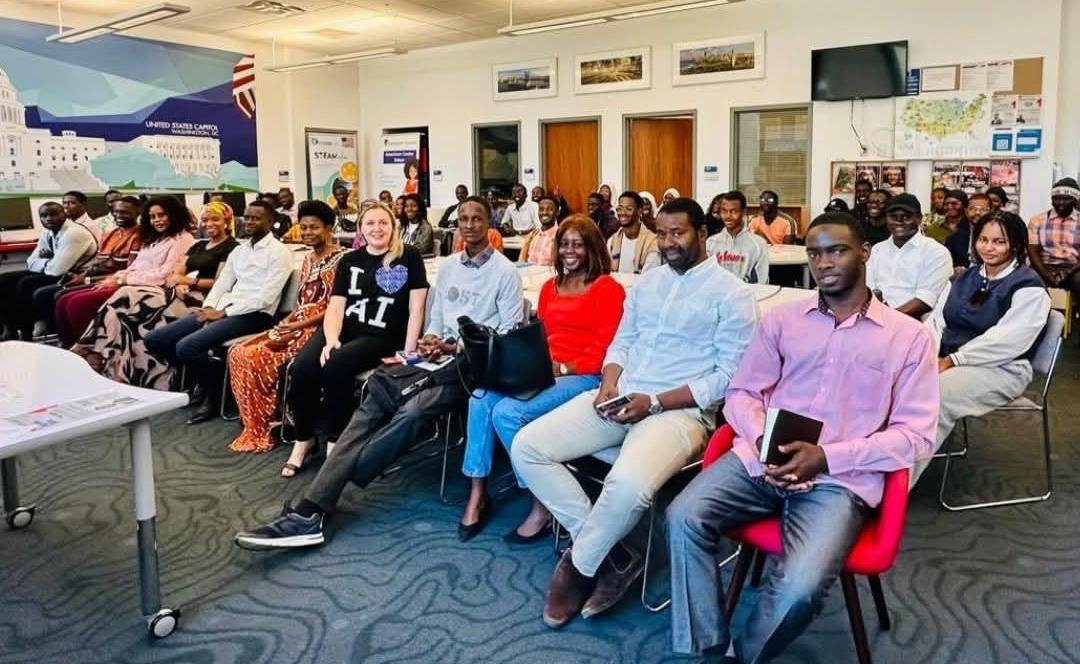
The U.S. Embassy in Senegal has hosted a public discussion on the growing influence of artificial intelligence, bringing students, technology enthusiasts, and members of the public into conversation about one of the most consequential forces shaping the modern world.
The event, held at the American Center Dakar, featured Mrs. Christelle Scharff, a computer science professor at Pace University and a Fulbright Specialist currently visiting Senegal. During the session, she spoke about the transformative role of artificial intelligence and its expanding impact on how people live, work, learn, and solve complex problems.
According to the embassy, the discussion formed part of its #Freedom250 initiative, a program marking the 250th anniversary of the United States while spotlighting American contributions to science, technology, and innovation.
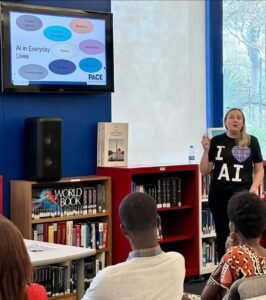
The session placed a strong emphasis on the practical and societal implications of AI, at a time when the technology is rapidly moving from specialist laboratories into classrooms, businesses, media, healthcare systems, and public institutions around the world.
The significance of such a conversation in Dakar goes beyond celebration of technological progress. It reflects a growing recognition that African societies, including Senegal, must not only consume emerging technologies but also understand, shape, and ethically engage with them.
Artificial intelligence has the potential to improve productivity, expand access to information, strengthen education, and unlock new entrepreneurial opportunities. But it also raises urgent questions about digital inclusion, misinformation, job displacement, data governance, and who gets to shape the rules of the future.
That is why public-facing conversations like this matter. When AI is discussed not only among engineers and policymakers but also with students, educators, and the wider public, it becomes easier to build the kind of digital literacy needed for informed participation in the global knowledge economy.
For Senegal, where youth innovation and digital ambition continue to rise, such exchanges may help inspire more local engagement in fields such as coding, data science, robotics, education technology, and ethical AI development.
As countries across Africa position themselves within the next wave of technological change, events like this suggest that the future of AI on the continent will not depend only on imported systems, but also on how well local talent is equipped to understand and adapt them for local realities.
About The Author