Senegal’s electoral reform reopens debate over law, eligibility, democratic fairness
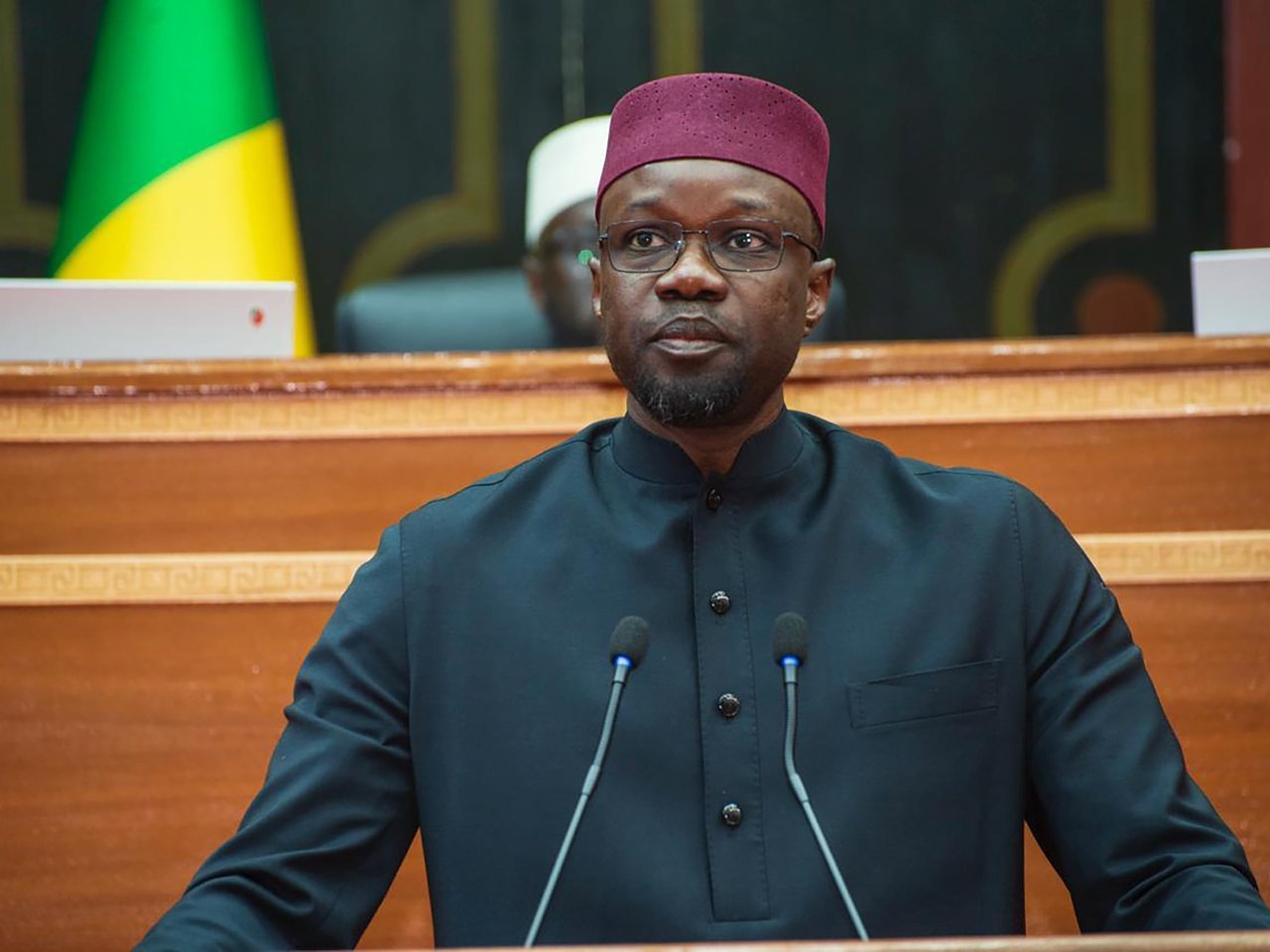
Senegal’s National Assembly has adopted changes to the electoral code that could reopen a path for Prime Minister Ousmane Sonko to run in the 2029 presidential election, reviving debate over legal rehabilitation, democratic inclusion, and whether electoral reform should serve one political figure or strengthen the system more broadly.
The reform was approved on April 28, 2026, with strong backing from lawmakers aligned with PASTEF, the ruling party that controls the legislature. Reuters reported that the measure is widely seen as politically consequential because it may remove or soften the legal barrier that excluded Sonko from the 2024 presidential race.
That exclusion shaped the recent history of Senegalese politics. Sonko, a leading opponent of former President Macky Sall, was barred from the 2024 election after court rulings tied to a defamation conviction. In his place, Bassirou Diomaye Faye became the candidate who ultimately won the presidency.
The political significance of the new law, however, lies not only in Sonko’s personal future. It also raises a broader democratic question: should legal reform be understood as a corrective measure that broadens participation, or as an intervention crafted too narrowly around one individual’s political return? That question has already become central to the public debate. Reuters reported that the opposition coalition FDR denounced the new law as “tailored to one man’s measure.”
That criticism reflects a familiar tension in democratic life. A law may be legal and politically defensible, yet still face scrutiny over timing, intent, and beneficiary. In this case, supporters can argue that democratic systems should not permanently freeze a major political figure out of future competition if the legal framework can be revised through parliamentary means. Critics, by contrast, may see the reform as a use of legislative dominance to achieve what the courts and earlier electoral rules had prevented. Reuters’ reporting suggests that both readings are now active in Senegal’s political conversation.
Still, there is another side to the story that deserves attention. Electoral systems are strongest when they are both predictable and inclusive. If the reform helps clarify eligibility rules and reduces long-running ambiguity around civil rights, candidacy, and political rehabilitation, it could contribute to a more stable electoral future. But that benefit will depend heavily on whether the changes are seen as principled and generalizable, rather than selective and partisan. That is an inference from the competing positions now visible in public reporting.
For Senegal, a country long regarded as one of West Africa’s more institutionally resilient democracies, the deeper test may not be whether Sonko runs in 2029. It may be whether reforms of this kind strengthen confidence in institutions or deepen suspicions that law and power are moving too closely together. The answer will likely depend on what happens next: how the reform is explained, whether it is applied consistently, and whether future electoral governance remains transparent and credible for all actors, not only the most powerful.
About The Author