Gambia leads Africa in ratifying convention against gender-based violence
By Ebrima Fadera
Edited by: Mutiu Olawuyi
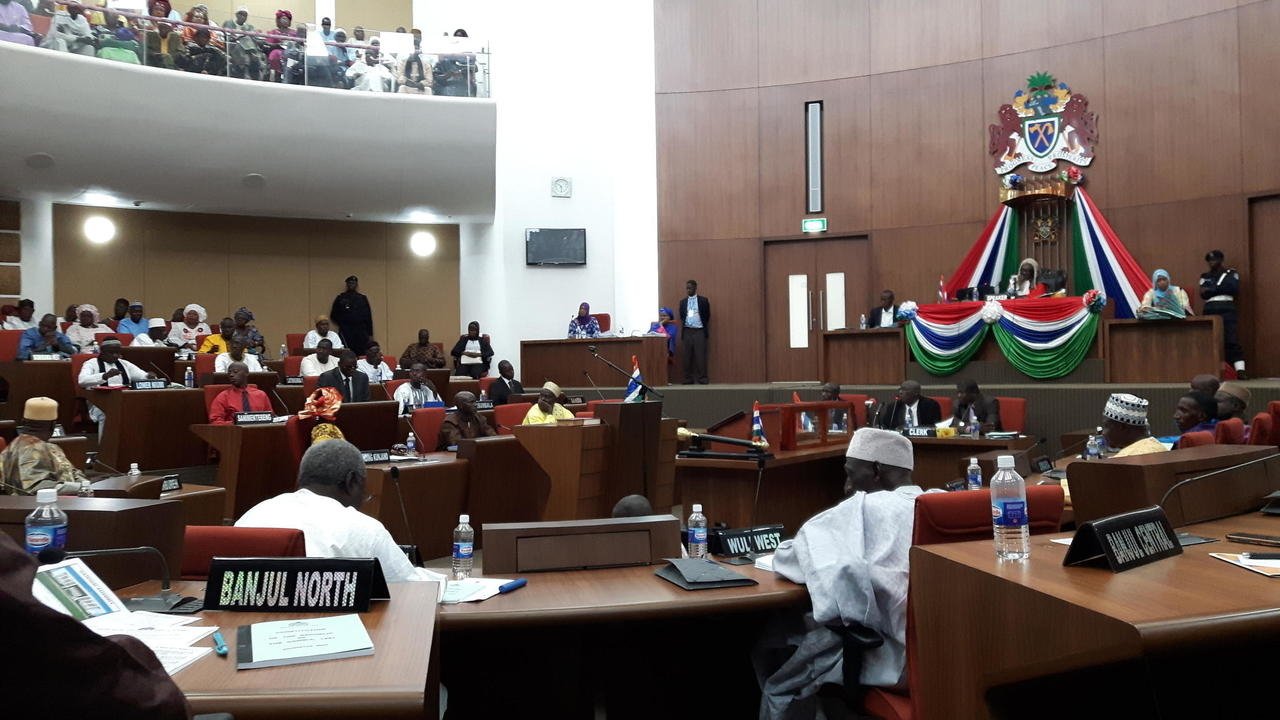
The Gambia has become the first country to ratify the African Union Convention on Ending Violence Against Women and Girls, following approval by the National Assembly.
The landmark ratification places the country at the front of a continental effort to strengthen legal protection for women and girls, support survivors of violence and hold offenders accountable.
The convention, known as AU-CEVAWG, was adopted by the African Union in February 2025 as the continent’s first dedicated legal instrument aimed specifically at ending all forms of violence against women and girls.
The Gambia had signed the convention in July 2025 in Malabo, Equatorial Guinea, alongside several other African Union member states. The latest approval by the National Assembly now makes Gambia the first country to ratify the treaty, according to local reports and the African Commission on Human and Peoples’ Rights.
The move reinforces Gambia’s stated commitment to addressing gender-based violence through stronger prevention, survivor-centered support and legal accountability. It also sends a message to the wider continent that ratification should move beyond diplomatic commitment and translate into national legal and institutional action.
Violence against women and girls remains one of Africa’s most persistent human rights and public safety challenges, affecting families, schools, workplaces and communities. For survivors, the impact is often physical, emotional, economic and social, making coordinated state action essential.
The ratification is therefore significant not only as a legal achievement, but as a national responsibility. It will require effective implementation, public education, trained law enforcement, accessible reporting systems, survivor protection, psychosocial support and stronger coordination among government institutions, civil society, religious leaders, community structures and justice actors.
For Gambia, the next test is domestication and enforcement. A treaty becomes meaningful when its principles are reflected in national laws, budgets, shelters, courts, police procedures, health services, school policies and community awareness.
The National Assembly’s approval also offers an opportunity for broader public conversation about the dignity, safety and rights of women and girls. Ending violence requires more than punishment after harm has occurred. It also requires prevention, early intervention, family education, economic empowerment, protection of children, and a culture that refuses to normalize abuse.
The AU-CEVAWG framework comes at a time when African governments are being called upon to strengthen gender justice and protect vulnerable populations from violence in both public and private spaces. The convention is expected to guide member states in building stronger systems to prevent abuse, respond to survivors and hold perpetrators accountable.
By becoming the first country to ratify the convention, Gambia has taken a historic step. The challenge now is to ensure that the promise of ratification reaches the lives of women and girls in homes, schools, markets, workplaces and communities across the country.
About The Author