Gambia Police expand probe into suspected counterfeit U.S. Dollar dase
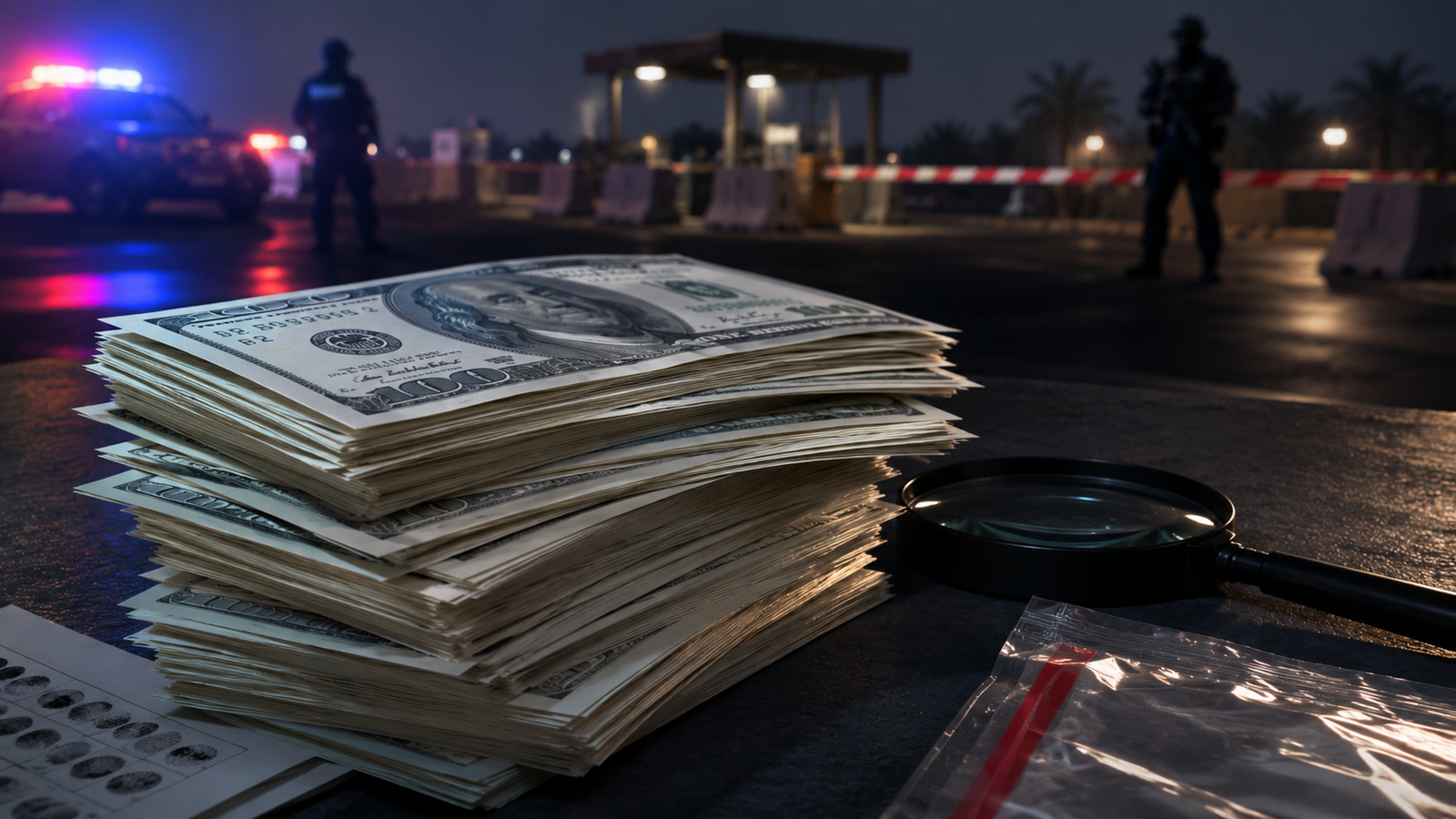
The Gambia Police Force has expanded its investigation into suspected counterfeit United States dollar notes intercepted at the Yerobawol Checkpoint, as officers work to trace other individuals believed to be connected to the case.
In an update issued on May 18, 2026, police said investigators from the Basse Criminal Investigation Department recovered suspected forged banknotes estimated at US$46,700 concealed inside a bale of second-hand clothing.
According to police, the suspect, Sadia Ndome, a 30-year-old Senegalese national, claimed he had been instructed by a cousin living in Italy to collect and transport some items from an individual in Basse to Senegal. The items reportedly included a bale of second-hand clothing and a television set.
Police said a search of the luggage led to the discovery of the suspected forged notes hidden inside the clothing bale.
“The suspect stated he had no prior knowledge of the suspected currency,” police said in the update.
Ndome remains in police custody while the investigation continues. Police said efforts are underway to trace and engage other individuals linked to the matter.
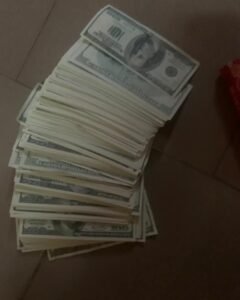 The case has generated public reaction, especially after an earlier figure shared in public discussion appeared to differ from the amount later stated by police. One citizen, Salman Jadama, reacted by questioning the change in the reported amount, saying: “From 467,000 now the remaining balance is 46,700.”
Another citizen, Amadou S. Jammeh, commended the police response and urged investigators to continue pursuing all those involved. “Thanks GPF for the swift respond. Please continue more search and apprehend all those involved,” he said.
Sheriff Seedou called for broader reflection on cross-border criminal activity and national security. He urged authorities to “discuss about the possible solutions” and implement measures to prevent such incidents, warning that “these things are not good for us and our country.”
While public concern is understandable, the case also requires careful handling. At this stage, the matter remains under investigation, and the suspect’s claim of lack of knowledge must be tested through evidence, not public assumption. The nationality of any suspect should not be used to generalize blame against any community, especially in a region where cross-border movement, trade, and family ties are part of everyday life.
For The Gambia and Senegal, the case underscores the need for stronger intelligence sharing, border screening, public awareness, and cooperation against financial crimes. Counterfeit currency does not only threaten businesses and banks; it can also weaken public trust, harm informal traders, and expose ordinary transporters to criminal networks that may hide illegal items inside seemingly routine goods.
As the investigation continues, the public will expect transparency, professionalism, and regular updates from the police. The priority now is to determine who placed the suspected forged notes inside the bale, who was meant to receive them, and whether the suspect knowingly participated in the alleged operation.
Police have urged citizens to support national security efforts by providing useful information.
Editor: Mutiu Olawuyi
About The Author