Banjul-Bayelsa education link opens new door for young women
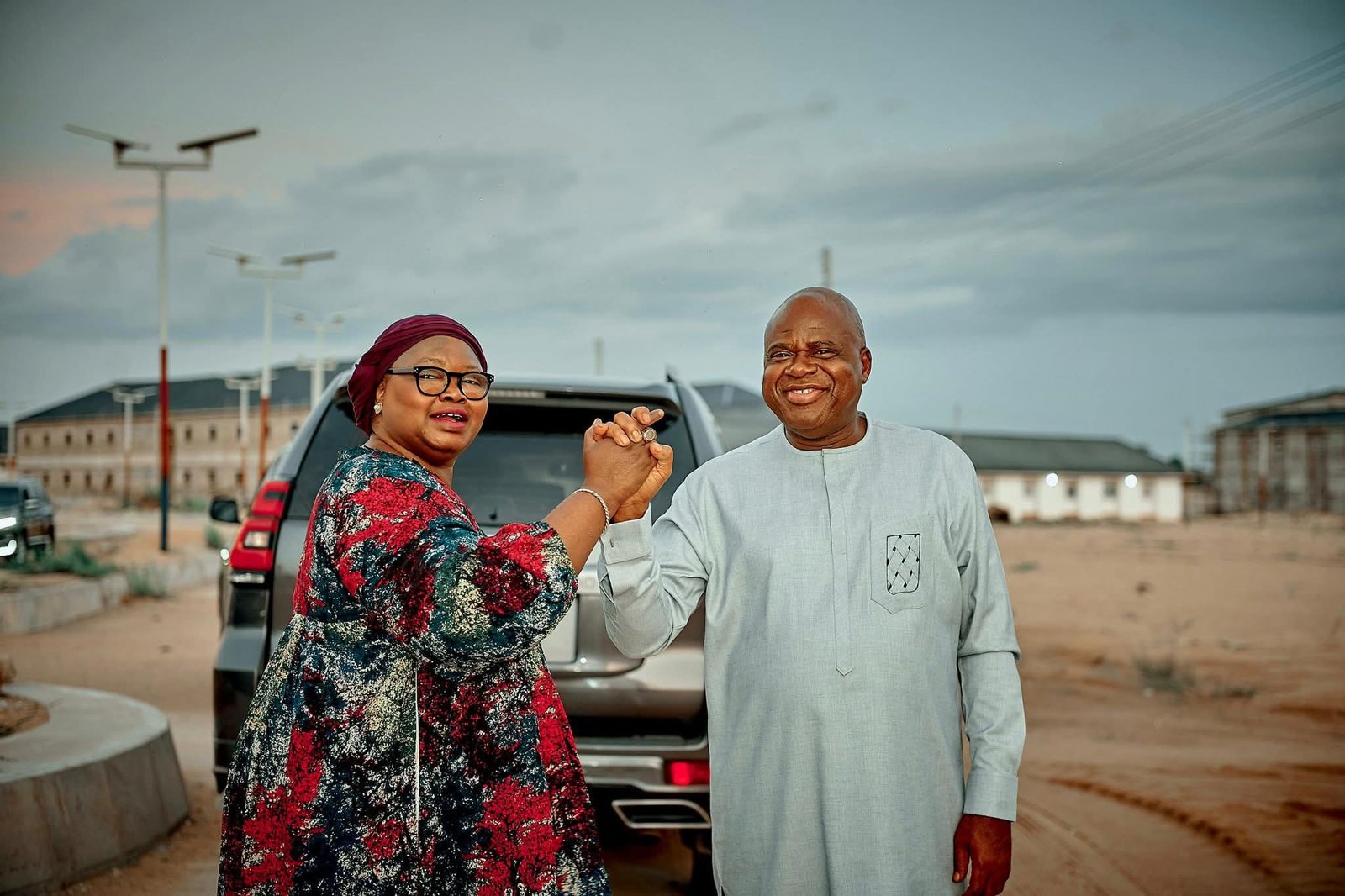
A new cross-border education opportunity is emerging between Banjul and Bayelsa State, Nigeria, after Banjul Mayor Rohey Malick-Lowe publicly welcomed an offer of admission support for female candidates from the Gambian capital.
In a statement made during her visit, the mayor expressed gratitude to Bayelsa State Governor Douye Diri, describing the gesture as both timely and meaningful. She said the screening process for the beneficiaries would begin next week.
“Thank you, H.E. Douye Diri of Bayelsa State. This means a lot to us. The screening will start next week,” she said.
The opportunity, according to the mayor, involves two admission slots for female candidates from Banjul, offered during her visit to a medical university in Bayelsa. She framed the development as more than an educational gesture, presenting it as a practical step in the direction of women’s empowerment, solidarity, and international partnership.
“In that spirit of love and oneness, we are offering two slots to female [Banjulian] candidates as part of our university here,” the Bayelsa governor said.
From a wider perspective, the announcement highlights how local leadership can sometimes create opportunity beyond formal diplomacy. While international cooperation is often discussed at the state level, initiatives like this show that city-to-city and person-to-person relationships can also generate real benefits, especially for young people seeking access to education.
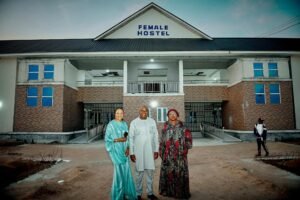 Mayor Malick-Lowe suggested that the significance of the moment goes beyond the two immediate places being offered. In her view, it points to the importance of building relationships across borders and staying open to partnerships that can widen opportunity for local communities.
“This is the benefit of travelling… to have a friend like a champion who believes in empowering women. Banjul, we are blessed,” she said.
She also hinted that further details may be announced after her return to The Gambia, suggesting that the current development could form part of a broader effort to expand opportunity for women and deepen external partnerships.
At a time when access to higher education remains a major concern for many families across the region, even a limited number of admission opportunities can carry symbolic weight. They signal that investment in girls’ education is still seen as a pathway not only to personal advancement, but to community development and regional cooperation.
For Banjul, the real promise of the initiative lies not only in the immediate beneficiaries, but in the example it sets: that educational mobility, women’s advancement, and African partnership can be pursued together.
About The Author