Kidira Police seize toxic mining chemicals
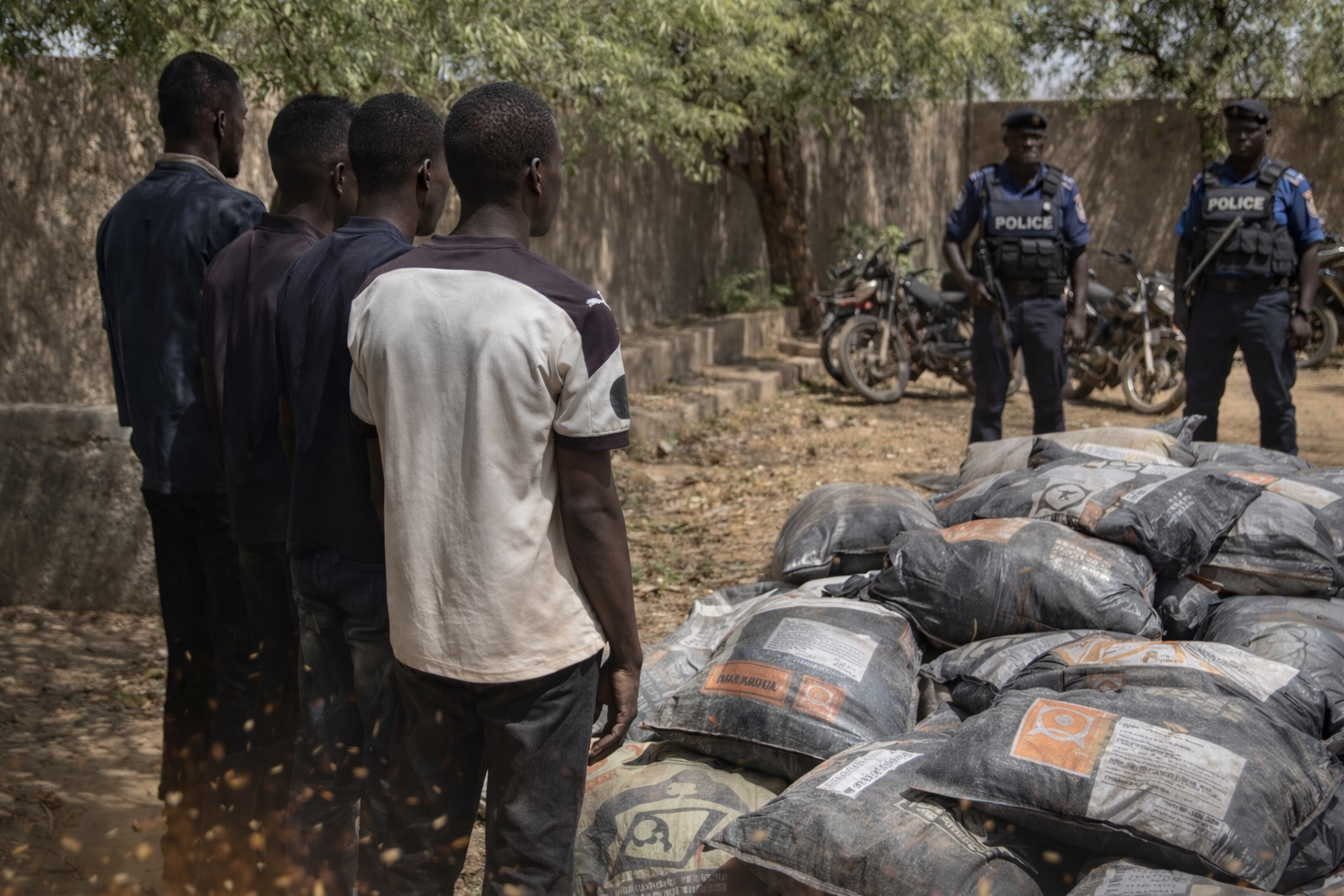
Police in eastern Senegal say they have disrupted a smuggling operation involving toxic chemicals allegedly destined for illegal gold processing sites, in a case that highlights the growing intersection of border security, environmental protection, and public safety.
According to the Special Police Station of Kidira, the operation led to the arrest of three individuals and the seizure of large quantities of hazardous substances commonly associated with informal gold extraction. Authorities said the products had been transported across the border and were intended for clandestine mining sites in Diyabougou and Soreto.
Police said the interception took place on March 31, 2026, at around 6:00 a.m., during a routine patrol aimed at monitoring unofficial crossing points. Officers from the Diyabougou antenna reportedly stopped a smuggling convoy at a checkpoint identified as “GMI Elements.”
The shipment included 400 kilograms of cyanide, 250 kilograms of zinc, and four motorcycles allegedly used to move the products fraudulently. Cyanide, in particular, is widely recognized as a highly dangerous chemical that can cause severe harm to human health, water systems, soil, and surrounding ecosystems when handled outside regulated conditions.
At the sight of law enforcement, police said two of the four transporters fled the scene, abandoning both motorcycles and cargo. Investigators were nevertheless able to arrest two carriers and later apprehend the alleged final recipient of the chemicals.
Following further investigation, all three suspects were referred to the Prosecutor’s Office in Tambacounda on Friday, April 3, 2026.
Beyond the arrests, the seizure draws attention to a wider regional challenge: the role of toxic substances in unregulated gold exploitation. While informal mining can provide income for vulnerable communities, the use of dangerous chemicals outside legal and monitored systems poses serious risks to workers, nearby residents, farmland, and water sources. In that sense, the issue is not only criminal but also environmental and public health-related.
The case also underscores the importance of border vigilance. Unofficial crossings often serve not only as routes for ordinary informal trade, but also as channels for substances and materials that can fuel illicit economic activity with long-term social and ecological consequences.
Police have urged members of the public to continue reporting suspicious activities through the toll-free number 800 00 17 00, saying public cooperation remains essential in preventing trafficking and protecting local communities.
About The Author