UCAD launches Green Revolution with Biogas Project to transform campus organic waste
By Mutiu Olawuyi
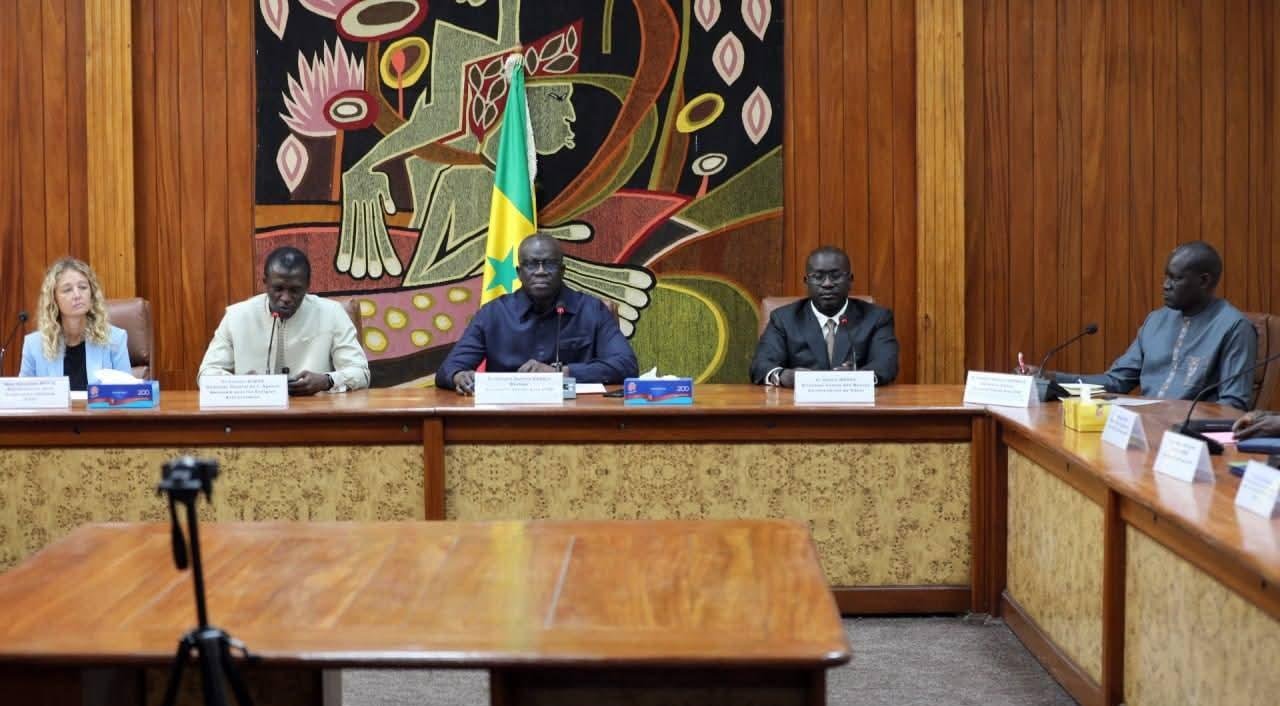
Cheikh Anta Diop University of Dakar has taken a significant step toward environmental sustainability and renewable energy innovation with the signing of a tripartite partnership agreement aimed at turning organic waste from university restaurants into biogas.
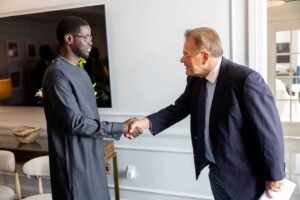
The agreement, signed on Thursday, May 7, 2026, brought together Cheikh Anta Diop University of Dakar, the Dakar University Works Center, and the National Renewable Energy Agency under the framework of the project “Valuation of Organic Residues in the Universities of Senegal”, also known as VEROUS. The initiative is funded by the Italian Agency for Development Cooperation.
The project will make the UCAD campus a pilot site for the installation of biodigesters designed to process organic waste generated by university catering services. Through this system, food and organic residues from university restaurants will be converted into biogas, offering a practical response to two pressing institutional challenges: waste management and energy demand.
Speaking at the ceremony, the Director General of the National Renewable Energy Agency, Professor Diouma Kobor, said the project was born from a clear observation: university restaurants consume substantial energy while also producing large quantities of organic waste. He noted that the strength of the initiative lies in its ability to connect these two challenges by transforming waste into a useful energy resource.
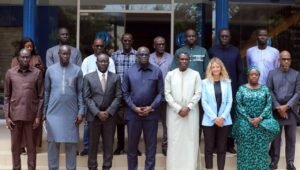 The Director of the Dakar University Works Center, Dr. Ndéné Mbodj, welcomed the partnership and emphasized that energy access and waste management remain major concerns for the institution. He described the project as a timely intervention that could improve campus sustainability while contributing to better environmental practices within university life.
Representing the Italian Cooperation, Madame Valentina Morini reaffirmed her institution’s commitment to supporting the initiative. She expressed hope that the project would also strengthen the technical and scientific capacity of students, researchers, and technicians in renewable energy, environmental innovation, and energy recovery.
In his remarks, UCAD Rector Professor Alioune Badara Kandji said the initiative aligns with Senegal’s strategic priorities in renewable energy and sustainable development. He added that the project reflects UCAD’s own commitment to energy and environmental transition.
Beyond its technical importance, the VEROUS project represents a model of practical innovation that connects education, research, sustainability, and public service. By turning organic waste into renewable energy, UCAD is not only reducing environmental pressure on its campus but also creating a learning platform for future Senegalese experts in green technology.
If successfully implemented, the pilot project could become a replicable model for other universities across Senegal, helping higher education institutions contribute more actively to the country’s energy transition and climate resilience agenda.
The agreement marks a hopeful moment for Senegal’s university system, showing how partnerships between public institutions, international cooperation agencies, and research communities can produce solutions that are both environmentally responsible and socially useful.
About The Author